
What Software Emulation Gets Right
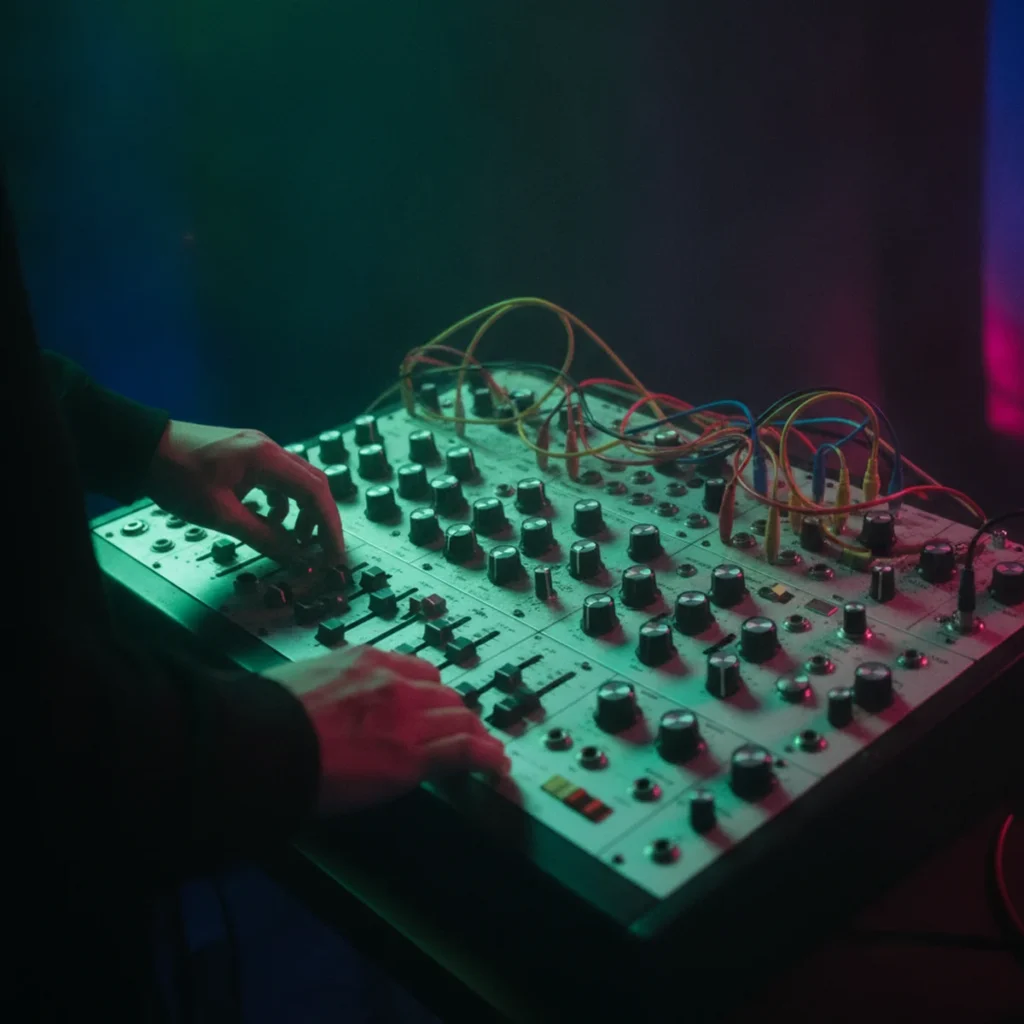
The modelling is genuinely good now. What it cannot copy is the constraint.
Software recreations of classic synthesisers have got close enough that the fidelity argument is largely finished. The interesting differences are elsewhere.
You can listen to our full playlist which contains the artist’s music, and know more about the artist’s work by scrolling down the page.

PLAYLIST
The Fidelity Argument Is Largely Over
Software recreations of classic synthesisers have improved to the point where the accuracy debate has mostly been settled, and the interesting differences lie elsewhere.
Modern circuit-modelling emulations simulate component behaviour rather than approximating the output, and comparisons against the hardware are close enough that identifying which is which in a mix is unreliable.
Continuing to argue about whether the emulation sounds right is now largely a proxy for other objections, and it is more useful to name what those actually are.
Recall and Polyphony Are Genuine Advantages
Software has capabilities the hardware never had, and they are not minor conveniences.
Total recall means a project opened in two years is exactly as it was, which is impossible with a hardware instrument whose knobs have since been moved. For anyone working on multiple projects, that alone is decisive.
Polyphony is effectively unlimited, where the originals were often restricted to a small number of voices by cost. Multiple instances cost nothing, so a part that required hiring several instruments is now trivial.

What Is Lost Is the Constraint
The genuine difference is not sonic, it is behavioural, and it concerns what the instrument prevents you from doing.
A hardware synthesiser with four voices forces decisions about which notes matter. One with no presets forces you to build a sound and commit to it. One that must be recorded to audio before the next part forces the patch to be finalised.
Software removes every one of those pressures, which is an improvement in capability and a loss in decisiveness. Projects stay open indefinitely because nothing has to be committed, and that changes what gets finished.
Interface Changes How You Work
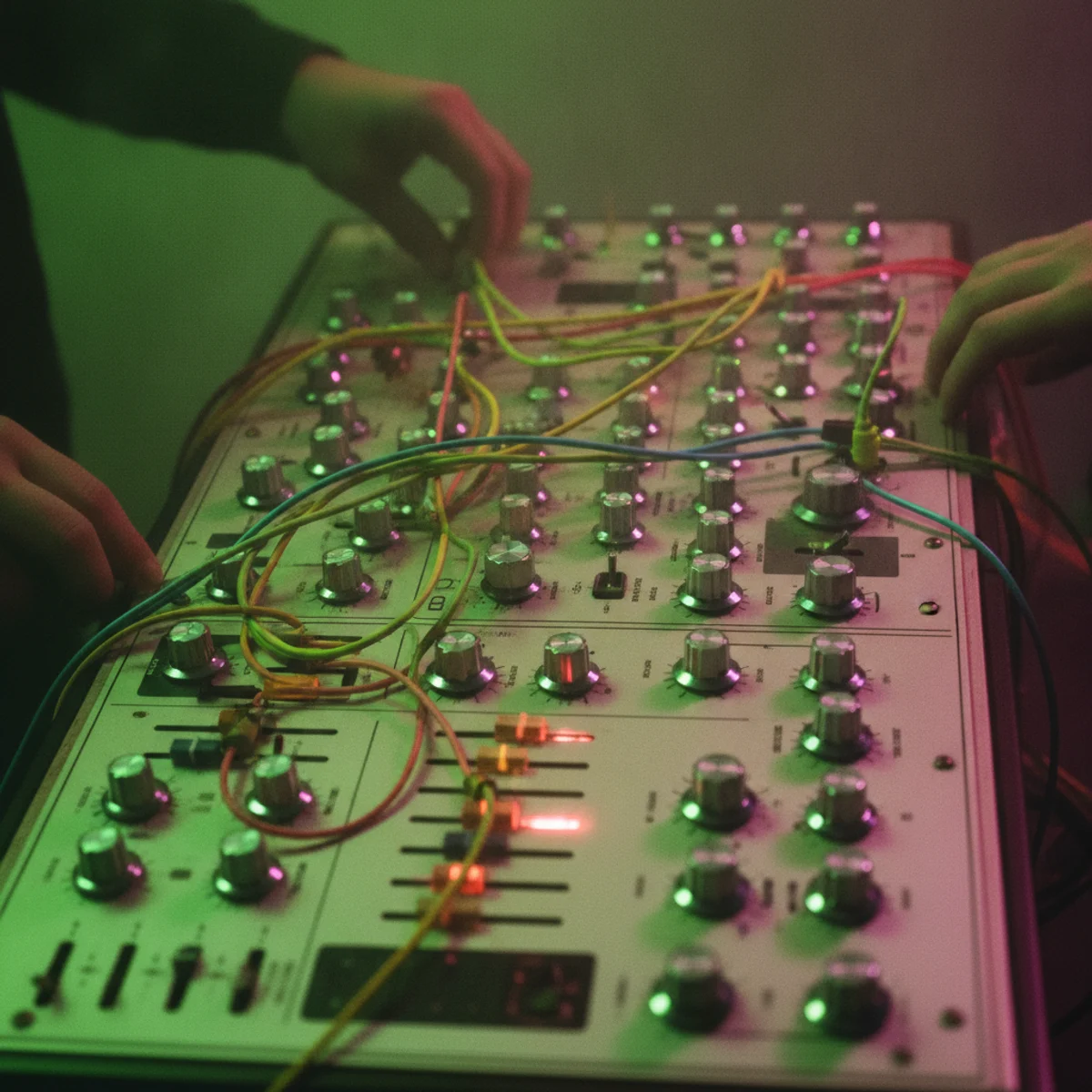
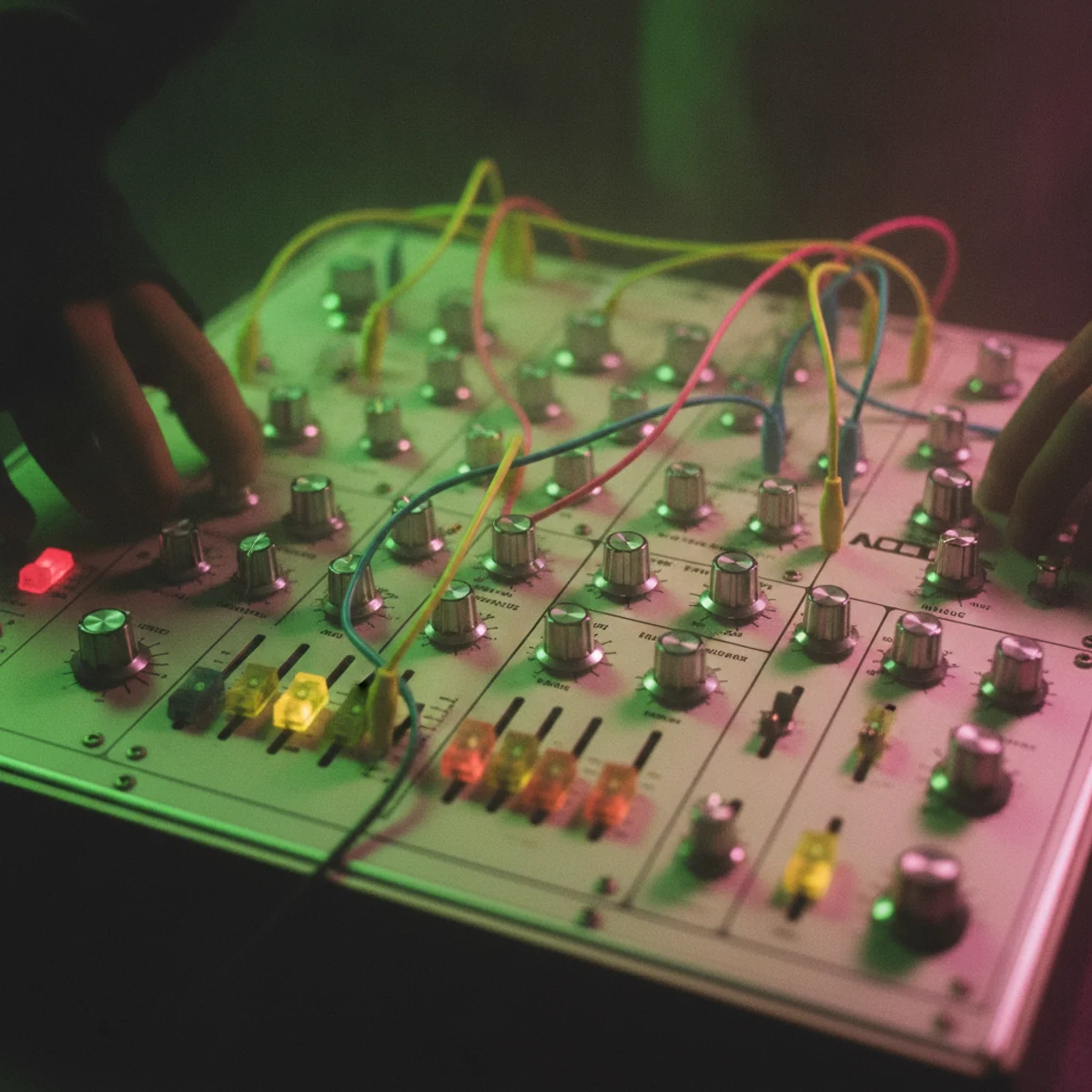
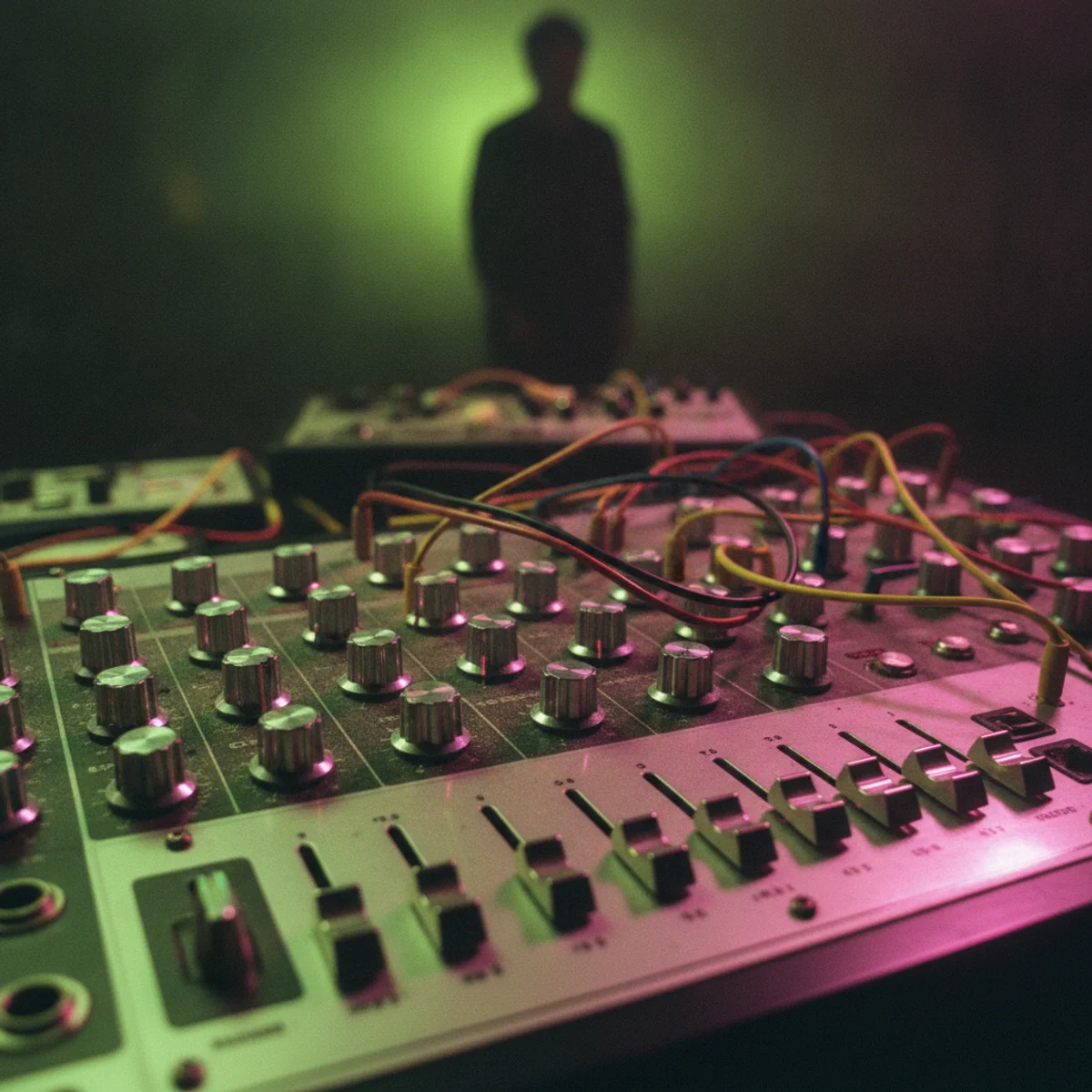
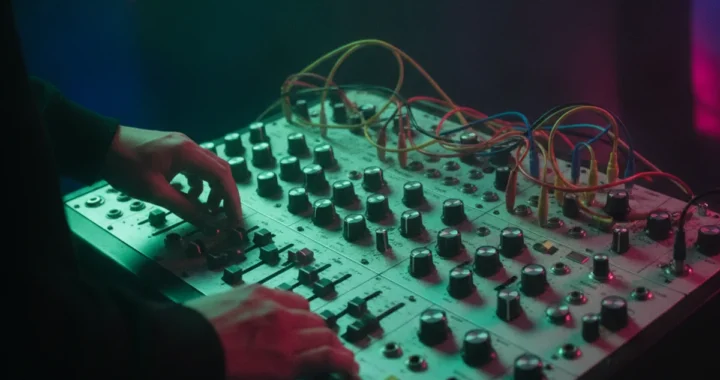
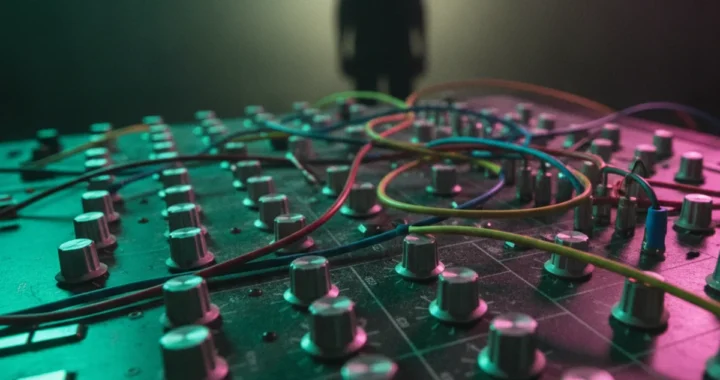
The second real difference is physical. One knob per function, adjusted by hand while listening, produces a different exploration pattern from a mouse moving between on-screen controls one at a time.
Physical control encourages adjusting several parameters simultaneously and stumbling into results that were not being sought. A mouse encourages deliberate sequential adjustment of parameters you already intended to change.
That is why hardware controllers mapped to software instruments have become popular. They restore the interaction without giving up recall, which is a reasonable resolution of the trade-off.

Variation Between Units Is Not Modelled
One measurable difference that persists is that no two hardware units are identical, while every instance of a plug-in is.
Component tolerances mean two synthesisers of the same model differ slightly in filter response and oscillator behaviour, and units drift further apart as they age. Layering several hardware instruments produces a natural thickening from those inconsistencies.
Better emulations now add per-instance and per-voice variation to reproduce this, and it works, but it is a modelled imperfection rather than an inherent one. The distinction matters less sonically than it does philosophically.
Choose on Working Method
The reasonable conclusion is that the choice should be made on how someone wants to work rather than on sound quality.
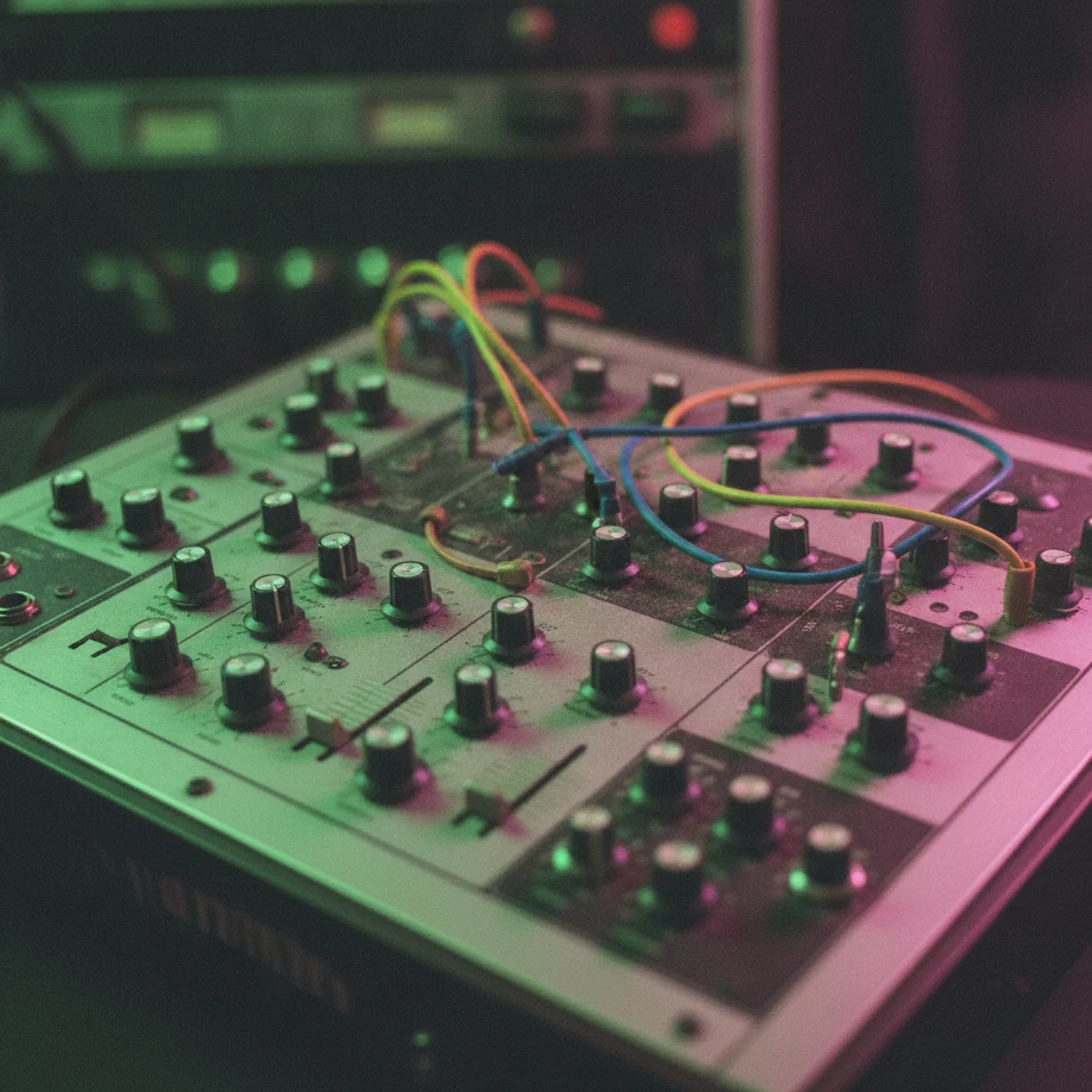
Hardware offers immediacy, physical engagement, forced commitment and a signal path with character, at the cost of recall, expense, maintenance and limited polyphony.
Software offers everything hardware cannot do, at the cost of the constraints that many people find productive. Neither is more legitimate, and anyone who claims a record’s quality depends on the answer is not describing something that shows up in the record.


About The Author

 The FM Synth Sound and Where It Went
  Analogue and Digital, and What Actually Differs
  Why Synth-Pop Keeps Coming Back
  The Arpeggiator, and How to Hear It
  Presets Are Not Cheating
  Vocoder, Talkbox, Auto-Tune: Three Different Machines
  The Sync Pipeline for Synth Music
  What Software Emulation Gets Right
  Why Synth-Pop Does Well on Playlists
  Sidechain Is Not the Only Way to Make Space