
Why Synth-Pop Keeps Coming Back, as Shoshan Dunamis Shows on Have a Sense

Why Synth-Pop Keeps Coming Back, as Shoshan Dunamis Shows on Have a Sense
A German Studio Singer Turned Producer Wraps a Life-Changing Meeting in a Synth Beat
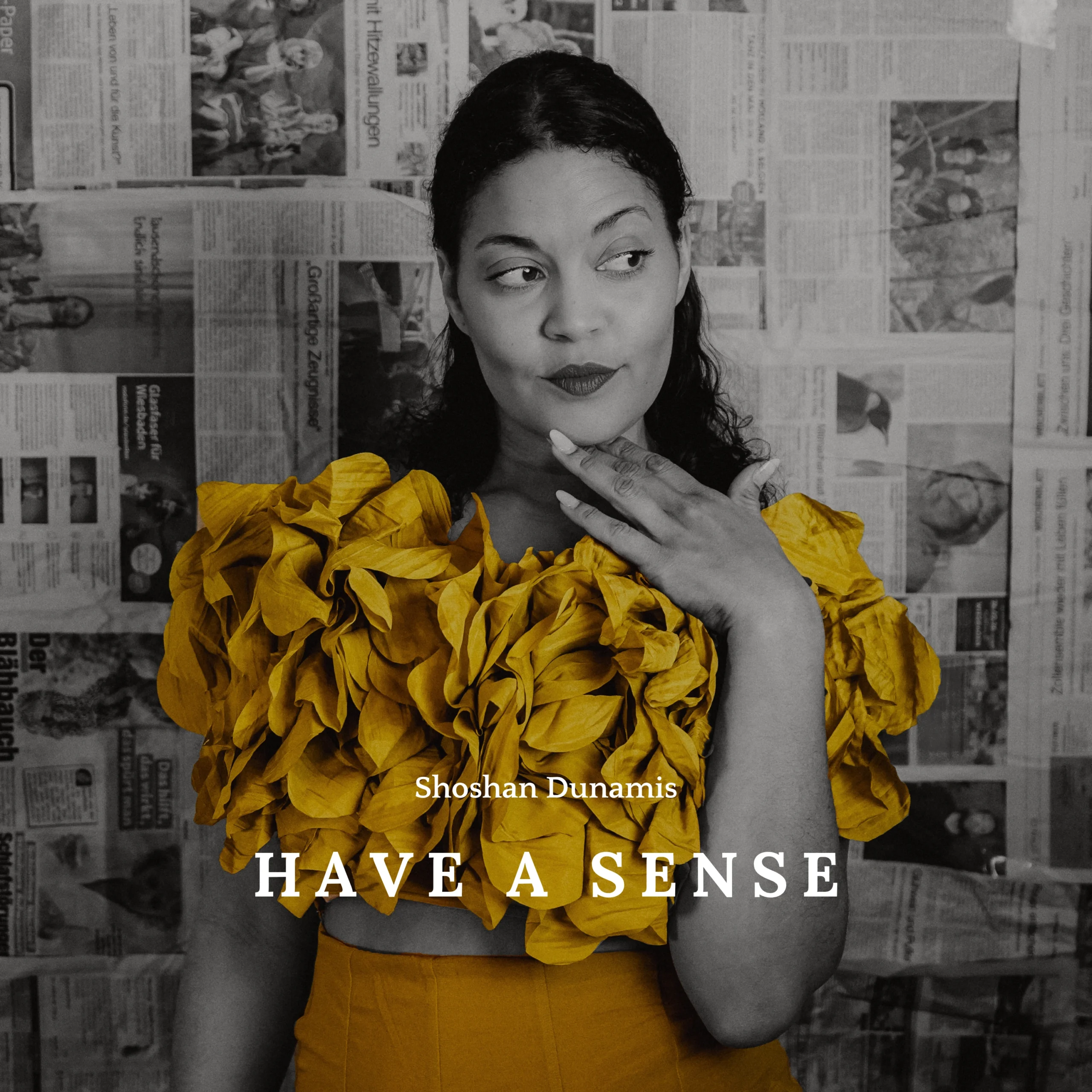
Have a Sense rests on one production choice. A catchy synth beat carries a song about the one person who changes everything. Shoshan Dunamis, a German singer, songwriter and producer, released it on 21 August 2026 as a two-track single. It mixes dance-pop with synth-pop.
Shoshan Dunamis’s Have a Sense is in the playlist below, synth beat first, with past features rounded up on the Shoshan Dunamis artist profile. The single came to ElectroPop.News through PopHits.Co Music Charts, which verifies independent artists and places their releases across its network of music news sites. Press play, then read on for how the song is built.

The Hook Comes From a Studio Singer’s Ear
She self-released the single, and Spotify credits the label as Sing Independent. The aim, in her own description, is music that is energetic and fun, with real emotion wrapped inside the beat.
Shoshan Dunamis has been singing on stage since the age of six. Since 2009, she has also worked as a professional studio singer and songwriter for labels, artists, producers and DJs. That background matters for a record like this one. Studio work teaches a singer to land a hook quickly. Have a Sense is built around exactly that kind of quick, clear hook.
Today, though, she writes and produces her own songs from Wiesbaden. Her catalogue moves between electro-soul, gospel-pop, soul, R&B and experimental synth-pop, and she writes in both German and English.
Why Synth-Pop Keeps Coming Back
The sound she chose has a long tail. The Weeknd took 1980s-style synth-pop back to the top of the charts with Blinding Lights. That song runs a bright, driving synth line under a pleading vocal. Meanwhile, Sia made big emotional choruses work over electronic dance beats on songs such as Cheap Thrills. Have a Sense sits between the two. Its synth beat keeps moving, while the vocal carries the feeling.
That combination keeps returning because it does two jobs at once. The beat works on a dance floor or a morning run. Meanwhile, the vocal gives the listener something to hold on to. As a result, a synth-pop single can be both a workout track and a personal song. That is the space Have a Sense aims for.

The Lyric of Have a Sense Follows One Person Who Changes Everything for Shoshan Dunamis
The subject is simple and universal. Have a Sense is about that one person who enters your life and changes everything. The song treats that meeting as a turning point rather than a passing crush. In turn, the energy of the beat matches a life suddenly moving in a new direction.
The lyric fits the way she describes her own role. Shoshan Dunamis sees herself as the friend who helps you through a crisis. She also wants her music to pump you up and motivate you. On her website, she calls her work an art project about life itself. Her mission, she writes, is to make life a little sweeter, with music that strengthens, comforts and enriches the listener.
Faith is also part of that picture. She writes that she believes life can be beautiful whatever the circumstances. Her faith, she adds, has always been a source of support and love, and it remains part of her music. Have a Sense carries that optimism into a pop song about connection.


A Two-Track Single and a Fortnightly Release Plan Shape How Have a Sense Reaches Listeners
The single holds two songs. Have a Sense runs to 3 minutes 40 seconds. Feel Good follows it at 2 minutes 47 seconds, after first coming out as its own single on 26 June 2026. Pairing the new song with a recent one gives listeners a short, complete set, not one lone track.
The structure of her release plan matters as much as the structure of the song. Shoshan Dunamis releases new music every two weeks. In 2026, Yellow Stilettos arrived on 24 July and the German-language Du on 7 August. Have a Sense followed on 21 August, two weeks later again. My Reality followed on 18 September.
This is not a new habit. In 2022, she released a new single almost every month. The run went from Shout It Out in January to Walk Me Down the Aisle in December. In addition, she writes and produces personal songs on request. If asked, she will also sing them live at the event. That pace explains the craft on show here. These songs are written to be finished, released and heard, not polished forever in private.
From the ElectroPop.News curator team: “Listen for how little Have a Sense needs. One synth beat, one clear vocal and one idea. It comes with the confidence of a singer who spent years making other people’s hooks land.”
Who Have a Sense Is For
This single suits fans of The Weeknd’s synth-pop and Sia’s dance-pop choruses. It also suits anyone who wants an upbeat electropop track with a warm message. Try it on a workout, a commute or a day that needs a lift.
Follow Shoshan Dunamis across platforms: Spotify, Apple Music, SoundCloud, YouTube channel, Instagram, TikTok, Facebook, Linktree, and the official site.















About The Author

 The Hip-Hop Dance-Pop Sound and Where It Went on Hold Me Close Now! By Gloria May Byron
  Why Chillwave Keeps Coming Back: Goodbye Gravity by Attaboy
  Bright Arpeggios Under a Heavy Heart, and How to Hear Them on LNNY’s Gehen Rafatape Remix
  Summer Shame: F. Scott’s Unearthly Opening Notes and Where They Went
  Four Versions of One Hook on What I Should See by Peter Agyagos, and How to Hear It
  The Suno Sound and Where It Went on To Pa Dentro, a Latin Pop Ode to the Buffet
  Why Synth-Pop Keeps Coming Back, as Shoshan Dunamis Shows on Have a Sense