
Why Synth-Pop Keeps Coming Back
Roughly every fifteen years, and the cycle has a mechanism rather than being fashion alone.
Synth-pop revives on a schedule regular enough to predict, and the driver is production economics as much as taste.
You can listen to our full playlist which contains the artist’s music, and know more about the artist’s work by scrolling down the page.

PLAYLIST
The Cycle Is Regular Enough to Predict
Synth-pop revives on a schedule regular enough that its returns can be anticipated, and the driver is production economics as much as changing taste.
Each revival follows a similar shape: a period of dominance by guitar-based or acoustic-leaning pop, a growing sense that it has become predictable, and a swing toward electronic production that is received as fresh despite being cyclical.
Treating this as fashion alone misses the mechanism, because fashion does not explain why the interval is fairly consistent or why it correlates with technology becoming cheaper.
Falling Cost Is the Underlying Driver
The strongest structural factor is that the cost of making electronic music has fallen repeatedly and in steps, and each step has produced a wave.
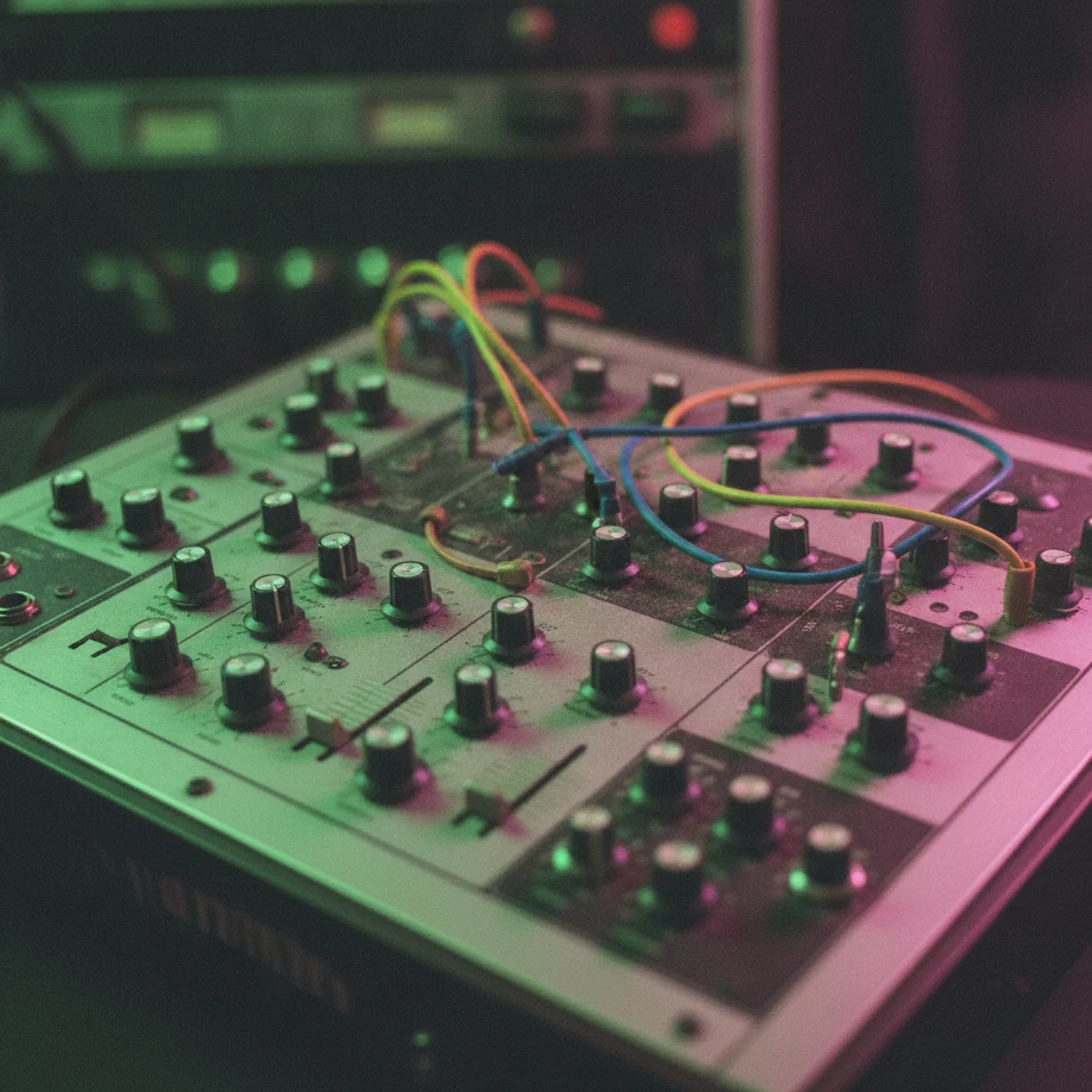
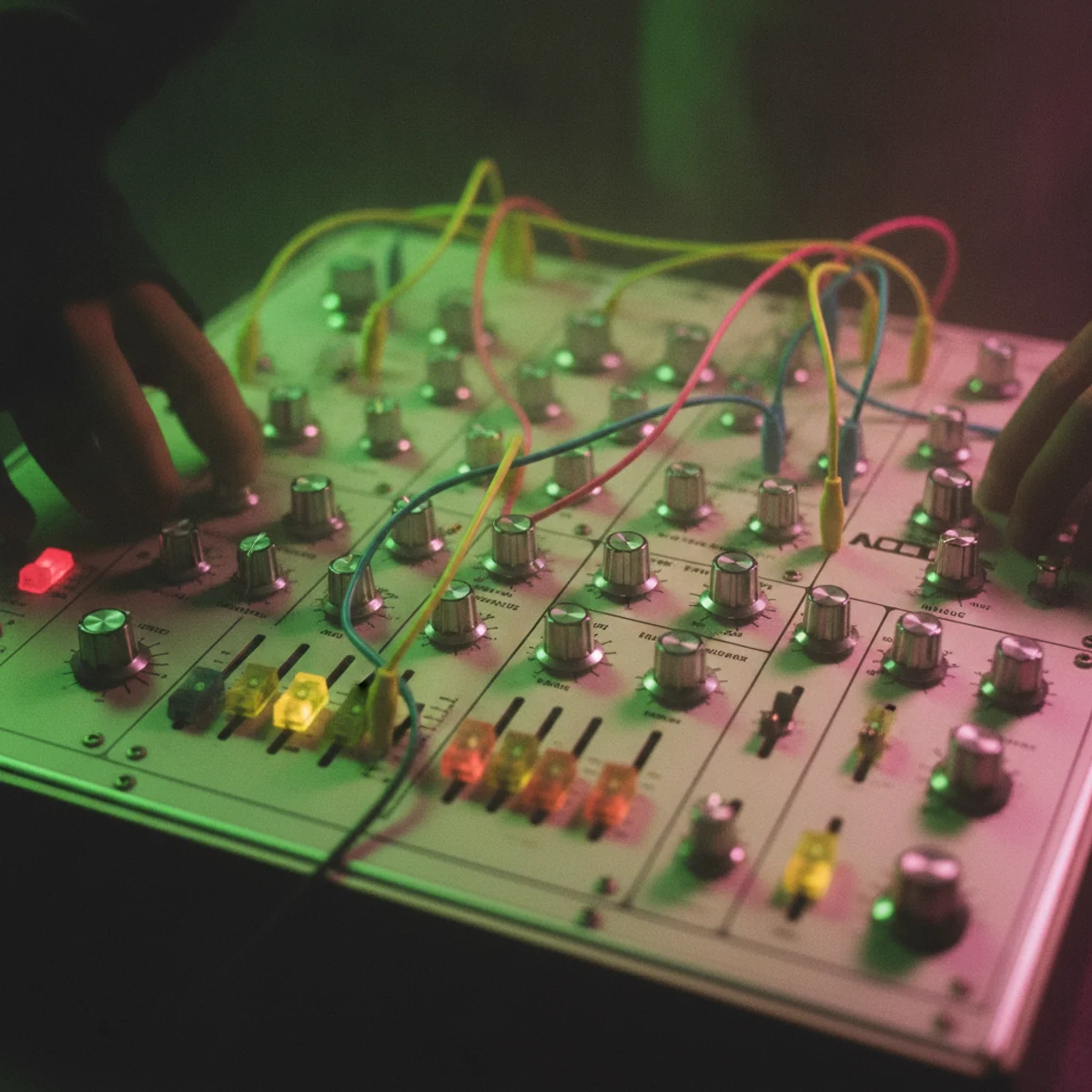
Affordable polyphonic synthesisers, then affordable samplers, then software instruments, then free and near-free production tools each put capable electronic production in the hands of a much larger group of people.
Each expansion produced a surge in output, and a proportion of that output was good enough to reach the mainstream. The revivals track the price curve of the tools reasonably closely.
Each wave has also been driven by a shift in what a bedroom setup can produce. When affordable equipment reached the point of matching commercial studio output for synthetic sound specifically, the genre that benefited most was the one that needed no acoustics, no players and no live room.

It Is Cheap to Make Well
Beyond the initial cost, electronic production remains the least expensive way to make a record that sounds professionally finished.
A guitar band needs a room, a kit, amplifiers, several players and someone who knows how to record drums. An electronic producer needs a laptop and headphones, and the result can sit alongside major-label output without apology.
When budgets contract across the industry, which they do cyclically, electronic production becomes disproportionately attractive. Several revivals line up with periods of financial pressure rather than with any particular aesthetic moment.
Synthetic Sound Reads as Forward-Looking
There is also a durable cultural association that keeps the palette available for reuse: electronic timbres continue to signify modernity, even when the specific sounds are decades old.
That association survives repeated revivals, which is slightly odd but consistent. Each generation of listeners encounters synthesised sound as the register of the contemporary, and artists reach for it when they want to signal that.
It also means the genre can revive using explicitly retro sounds without losing the connotation. A period-correct analogue synthesiser somehow still reads as futuristic rather than nostalgic in a pop context.
Nostalgia cycles interact with the technology curve rather than replacing it. A generation that grew up with a sound reaches production age roughly two decades later, which lines up closely with the interval, and the equipment they reach for is by then cheap and abundant.

Each Return Is Different
The revivals are not repetitions, and the differences are usually traceable to which technology became accessible in that cycle.
Early waves were shaped by monophonic and early polyphonic instruments with limited voices, which produced sparse arrangements. Later ones had sampling, then unlimited polyphony, then processing power sufficient for dense layering.
So each revival has its own texture despite sharing a palette, and the specific limitations of the era’s affordable equipment are usually audible in the arrangements it produced.
What Would Break the Pattern
The cycle depends on electronic production periodically feeling fresh, which requires periods where it is not dominant.
That condition may be weakening. Electronic production is now the default across a great deal of pop regardless of genre labelling, and a technique that is always present cannot return.
If the pattern does break, it will be because synthesis stopped being a distinguishable choice and became simply how records are made — which would end the revival cycle by making the thing it revives permanent.
There is a countervailing force worth naming: as electronic production becomes universal across pop, the palette stops marking anything. A revival needs a period of absence, and absence is what the genre may no longer get.



About The Author

 The FM Synth Sound and Where It Went
  Analogue and Digital, and What Actually Differs
  The Arpeggiator, and How to Hear It
  Presets Are Not Cheating
  Vocoder, Talkbox, Auto-Tune: Three Different Machines
  The Drum Machines That Built Genres
  The Sync Pipeline for Synth Music
  What Software Emulation Gets Right
  Why Synth-Pop Does Well on Playlists
  Sidechain Is Not the Only Way to Make Space