
Terra Olympia and Why the Olympic Synth Era Keeps Coming Back for George Voukanos
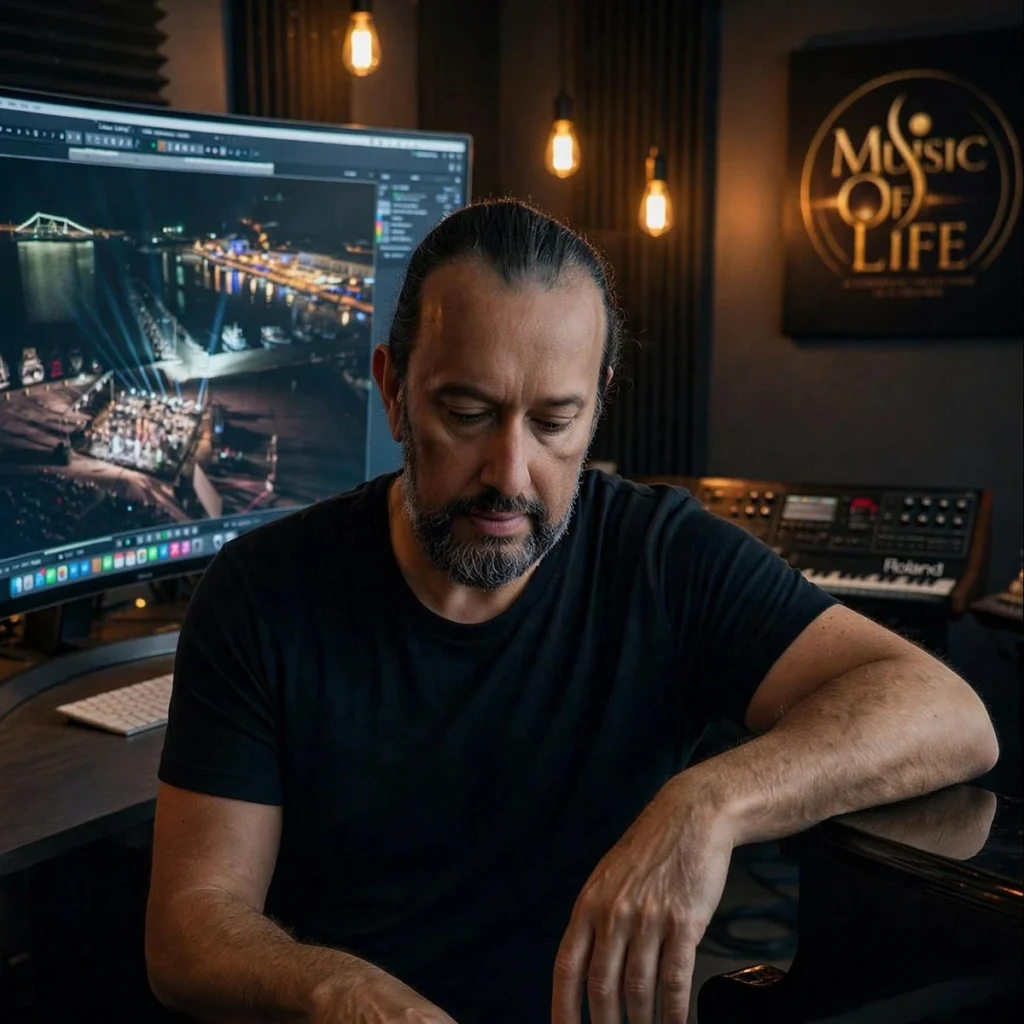
Terra Olympia and Why the Olympic Synth Era Keeps Coming Back for George Voukanos
A Greek Composer Maps Ancient Olympia in Twelve Short Synth-Led Pieces
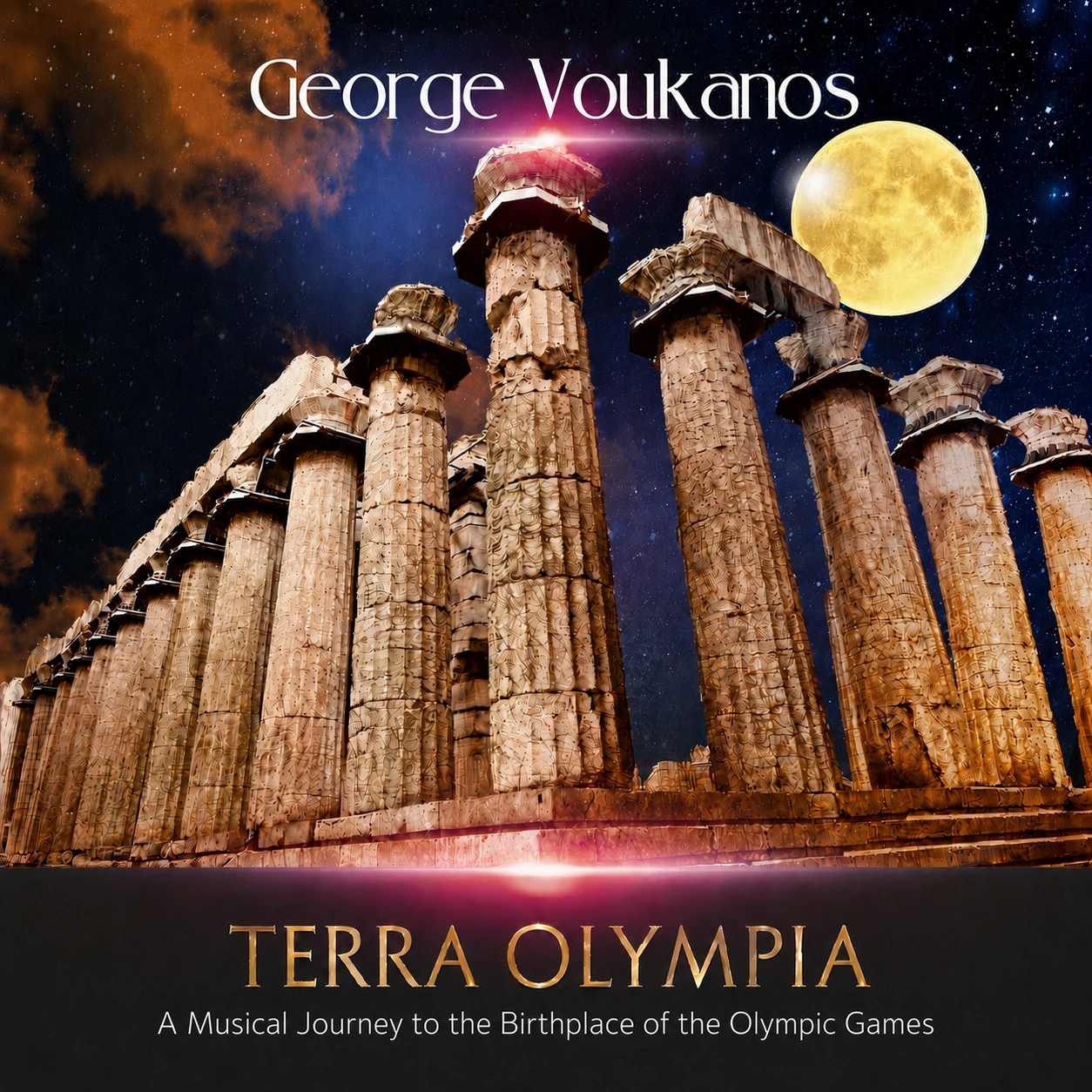
Terra Olympia starts from a production choice most composers of Olympic music never make. Where a symphony orchestra would usually carry the weight, George Voukanos hands the job to synthesisers and programmed rhythm. Atmospheric layers and cinematic sound design do the rest, and all of it points at Ancient Olympia.
George Voukanos has the title track of Terra Olympia in the playlist below, and his artist profile collects the rest of his coverage. The album came to this desk through PopHits.Co Music Charts, which verifies independent artists and places their releases across its network of music news titles. Listen to the opening overture first, then read on.

Why the Olympic Synth Era Keeps Coming Back on Terra Olympia
That choice has a history. In 1984, when Los Angeles last hosted the Summer Games, the theme for the track events was Reach Out. It was co-written and produced by Giorgio Moroder, the producer who had already taken the synthesiser into disco. The song went to number one in West Germany. Four years later Moroder produced Hand in Hand for Seoul, and he returned for Beijing in 2008 with Forever Friends. For a stretch of Olympic history, then, the sound of the Games was a programmed one.
Los Angeles hosts again in 2028, and Terra Olympia arrives with that date in view. Voukanos released the album worldwide on 14 August 2026 through Melody Spirit Records. He frames it as one part of a wider body of work on Olympic memory. The difference is the starting point. Moroder wrote for the stadium, whereas Voukanos writes from the ancient site, the landscapes of Elis and the myths that grew up around the first Games.
So why does the synthesiser keep returning to Olympic music? Part of the answer is rhythm. A programmed pulse can hold the steady tempo of effort, and a filter sweep can build tension the way a race builds towards a finish. On Terra Olympia, as SounDarts.gr observed, the rhythmically intense pieces suggest movement and physical strain. Meanwhile, the quieter ones drift towards the mystical. Because the whole palette is electronic, Voukanos can switch between the two modes without changing instruments.

Track Titles Do the Work of Lyrics Across Twelve Instrumental Pieces
There are no lyrics to follow, so the titles carry the story. The sequence opens with The Myth Begins and moves through The Dawn of Elis, The Dance of the Mythical Rivers of Ilia and Sacred Neda, named for a river of the region. From there it turns to legend with Heracles and the Centaurs of Foloi. Then it turns to ritual with The Sacred Road and Sacred Olive Trees in Ancient Olympia.
The last stretch belongs to the athletes. The Heartbeat of Heroes and The Dance of Champions lead to Olympic Glory. After that, Journey into Myth and Eternity closes the album back where it began. The only human voice on the record belongs to Artemis Gonou, who sings on The Myth Begins. As a result, the one moment of singing sits at the very start, before the synthesisers take over.
Voukanos has lived with this subject for a long time. His own biography lists an earlier Terra Olympia soundtrack that was performed at the Ancient Stadium of Olympia in 2004. In the same year, the German Olympic Committee honoured him for his symphonic work Areton Anotera. The new album revisits that territory with a different toolkit. It also marks a clear step from his symphonic background, with its operas and film scores, into electronic composition.

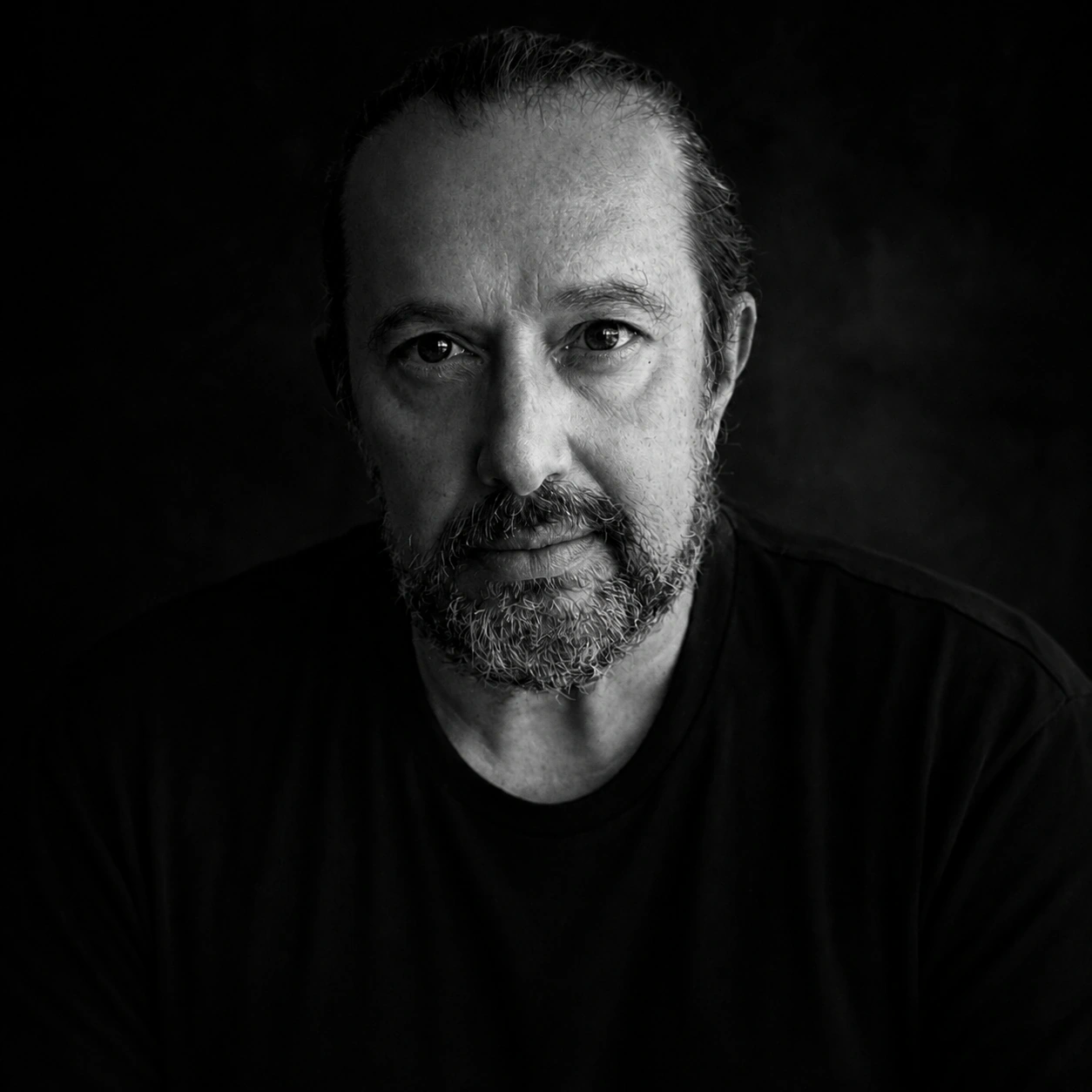
An Overture, Eleven Short Scenes and the Shape of the Record
The structure is simple and effective. The title track opens the album at 4:35, the longest piece on it, and works as an overture. The eleven pieces that follow run between 1:46 and 3:29, so each scene lands its idea and moves on. Across 32 minutes, the record alternates reflective pieces with driving ones, which keeps the energy moving the way an event programme does.
For listeners, the reference points sit on both sides of the synth and screen divide. Anyone who knows Moroder’s Olympic themes will hear the same belief that electronic sound can carry a sense of occasion. Fans of M83 will recognise the scale Voukanos is after as well. Anthony Gonzalez of M83 scored the 2013 film Oblivion with Joseph Trapanese, setting pulsing synthesisers against an orchestra and choir. On Terra Olympia, by contrast, the synthesisers do the orchestra’s job themselves.
The album also points towards a practical future. Its pacing and short, visual pieces suit film, television and screen work, which Voukanos names as a direction for his music. For listeners who come to instrumental music for a sense of place, this is a record with a map attached.
ElectroPop.News curator team: “The sharpest programming decision on Terra Olympia is how short Olympic Glory is. It could have been stretched into a victory march. Instead, Voukanos gives it under two minutes and moves on, so the triumph feels earned rather than announced.”
Stream Terra Olympia and Follow George Voukanos Across Platforms
The full album plays in the Spotify player near the top of this page. It is also on Apple Music, Deezer and Tidal.
Follow George Voukanos on Spotify, Apple Music, Deezer, Instagram, Facebook and X. His official site has more on the project.






About The Author

 Soft Cell’s Danceteria Is One New York Night That Ends Back at the Club
  The TD-3 Acid Bass Behind The Contrarian, and Where Erick Castrillon Took It
  Alibii Turn a Battle with Coeliac Disease Into I Think My Body Hates Me
  The Swedish Fishing Village Behind Tove Lo’s ESTRUS
  Slayyyter Booked Thirty Shows Across Three Continents
  The Retro Synth Sound and Where 90s Double Vision Takes It
  Terra Olympia and Why the Olympic Synth Era Keeps Coming Back for George Voukanos