
The Two-Voice Weave on Hidden People by Musspell, and How to Hear It
The Two-Voice Weave on Hidden People by Musspell, and How to Hear It
Cluj-Napoca’s Musspell Turn Nordic Folklore Into Dark Synth Pop with Producer Steve Dub
Steve Dub produced and mastered Hidden People by Musspell. The Grammy-winning engineer’s credits include The Chemical Brothers and Moby. Meanwhile, the band’s two voices braid together and then pull apart over bell chimes, eighties synths and live drums. Released on 22 November 2024, the dark-pop single rewards anyone who knows where to point their ears.
Musspell’s single sits in the playlist below, next to other dark-pop picks from this desk. Everything written about Musspell is gathered on the Musspell artist profile. Hidden People reached ElectroPop.News through PopHits.Co Music Charts, which verifies independent artists and places their releases across its network of music news sites. Give it a spin, then read on for how to hear the two-voice weave.

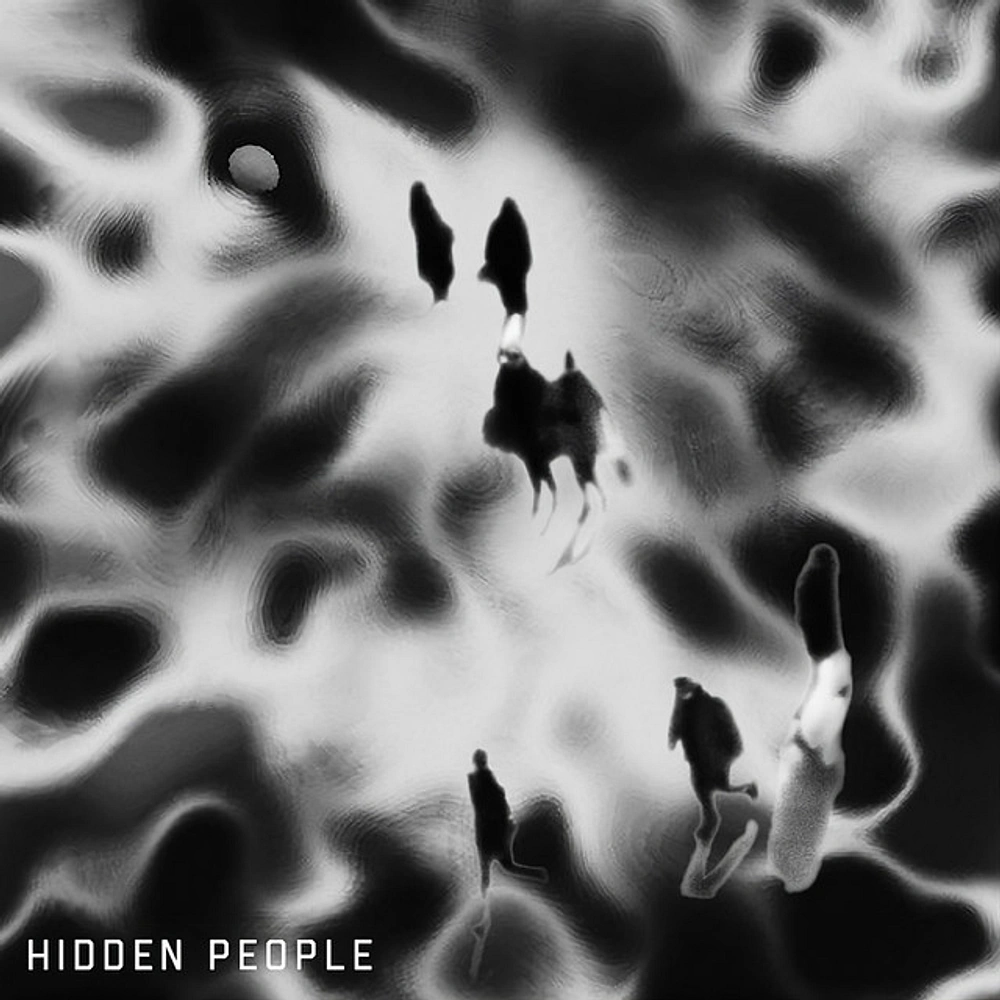
Steve Dub Produced Hidden People by Musspell Around Bell Chimes, Eighties Synths and Live Drums
The production story starts in 2023. Musspell joined SongLab, a programme run by HOTS (Hungarian Oncoming Tunes). That placement paired the band with Steve Dub, born Steve Thomas Jones, whose engineering credits run through The Chemical Brothers and Moby. On Hidden People, the job was bigger. Steve Dub produced the track first and then mastered it. The music itself is credited to Musspell, and the band describes the work as a meeting between its own concept and Steve Dub’s musical world.
So how do you hear it? Take the arrangement one layer at a time. Start with the bell chimes. Next, find the synths and their eighties colour. Then listen for the kit. Lang Daniel played the drums live, and Independent Artist Advice called them disjointed. That is a fair word for a part that refuses to lock into a steady grid.
That mix of programmed electronics and a human drummer is a deliberate Musspell habit. The band builds its songs on electronic instrumentation, with guitar, keyboard and live drums joined by extra samples. As a result, Hidden People sits between dream pop and experimental electronic music. It also carries a dark-pop edge that never tips into gloom for its own sake.

Icelandic and Faroese Folklore Behind the Hidden People
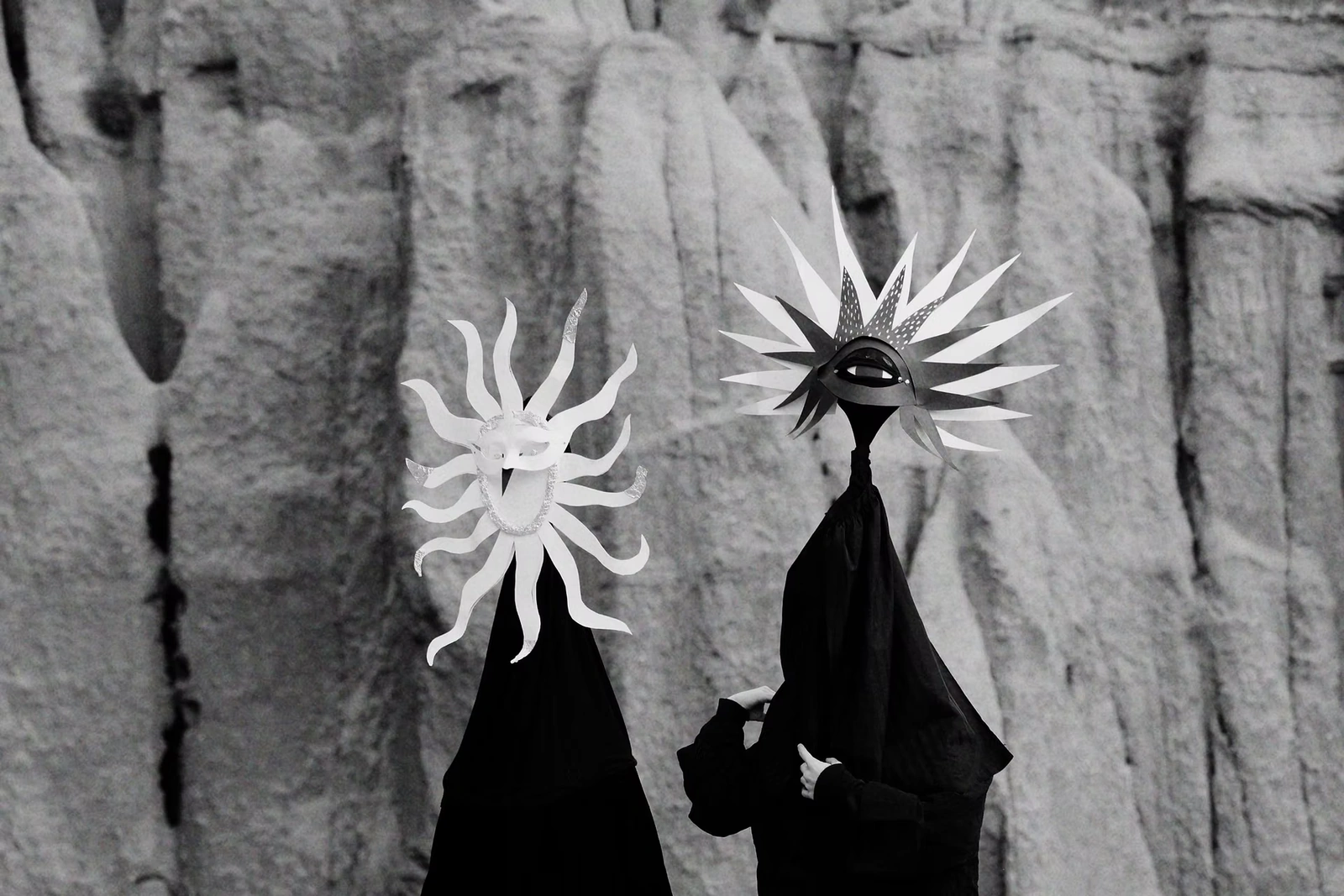
The title is a reference worth knowing. In Icelandic and Faroese folklore, the hidden people (huldufólk in Icelandic) live alongside humans but stay out of sight. Musspell built the concept of the single on that folklore, as the band explained to Mexico’s R+. For the black-and-white music video, the band went further. They found a location where they could become the creatures they had imagined.
That idea shapes how the song lands. Splendiferous Pioneer heard a song of mystery and contemplation. Meanwhile, French site Extravafrench described voices that seem to rise from a hidden world, perhaps that of the hidden people themselves. Iggy Magazine also picked up on the video’s play of light and shadow.

Two Voices That Braid and Then Split Give Hidden People by Musspell Its Dream Pop Shape
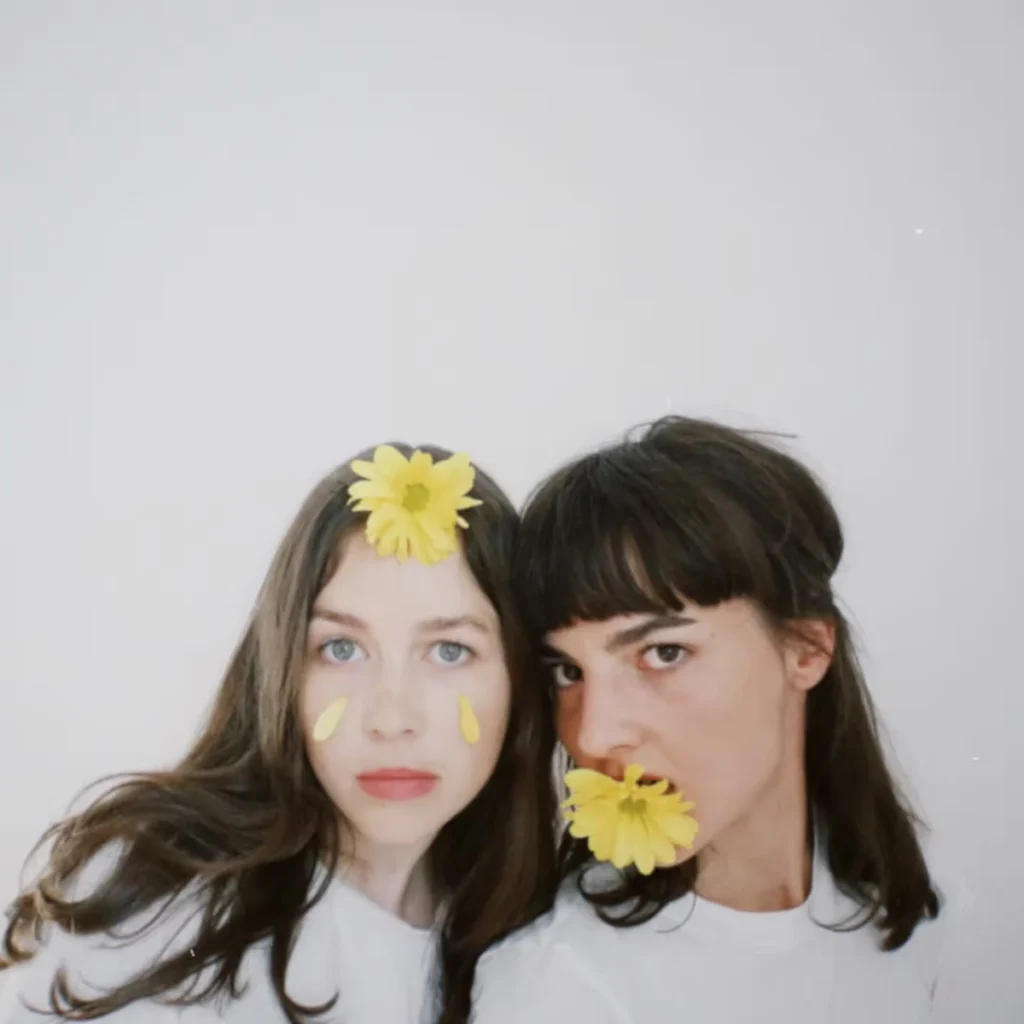
Here is the real craft lesson. Musspell writes for two female voices, and the band describes its sound in exactly those terms. The vocal lines intertwine, sometimes ringing out together and sometimes setting each other off. Dósa Noémi-Diána sings and plays keys, while Bölöni Anna-Tímea sings and plays guitar.
So listen for the switch. When the two sing in unison, their lines thicken into one fuller voice. When they separate, each one sets off the other. Following that push and pull is the best way into the structure of Hidden People. The track runs 4:36, which gives the arrangement room to unfold.
Where Hidden People Sits Next to Depeche Mode, The Cure and Warpaint
The synth side points back to Depeche Mode. Independent Artist Advice heard that band’s darkest moments in the synth work, and the link holds up. On Violator (1990), Depeche Mode and producer Flood built songs from samples and modular synths. Musspell works the same way, adding samples to its keys, guitar and drums.
The Cure come into view through the guitar. On Disintegration (1989), Robert Smith set chorus-heavy guitar lines over dense synth beds. Musspell’s line-up of guitar, keys and samples draws on that same pairing.
The closest match for the vocal structure is Warpaint. In that Los Angeles band, Emily Kokal and Theresa Wayman share lead vocals as well as guitar. Musspell’s two-voice weave follows the same model, with Nordic folklore in place of a Los Angeles backdrop.
Who Should Press Play
Hidden People is for listeners who live in dark-pop, dream pop and experimental electronic music. It also suits anyone looking for independent artists with a real body of work. Musspell formed in 2019 and released the ten-track debut album Unity All and All in 2023. The trio has also played showcase festivals including VOLT, Waves Vienna and the Focus Wales Showcase, according to Europavox, and Glastonbury Festival booked the band for 2024. If you like your synth pop dark but never heavy, start here.
From the ElectroPop.News Curator Team: “Give a two-voice band a live drummer and a Grammy-winning engineer, and the easy move is to stack everything. Hidden People keeps its electronics spare enough that the real hook becomes structural: the moment the two singers split apart.”
Where to Stream Hidden People by Musspell and Follow the Cluj-Napoca Dream Pop Trio
Stream Hidden People on Spotify, Apple Music, Bandcamp and SoundCloud. Follow Musspell on YouTube, Instagram, Facebook and Linktree.





About The Author

 Why the Chillwave Era Keeps Coming Back on Dreams of Yesterday by Formoe
  The Coldwave Synth Sound and Where It Went on the STRIDULUM Album Paradigm
  A Madonna Sample Runs Through Troye Sivan’s Party
  The Marimba Sound and Where It Went: Zelipercussion Carries It Into Naja
  The Dark Electro Sound of Mr. StarZ and Where It Went After Electric Found
  Dobi Dobi: Alterkix Puts a Robot Voice on Analog Synths, and How to Hear It
  The Two-Voice Weave on Hidden People by Musspell, and How to Hear It