
The TD-3 Acid Bass Behind The Contrarian, and Where Erick Castrillon Took It

The TD-3 Acid Bass Behind The Contrarian, and Where Erick Castrillon Took It
An LA Filmmaker Layers a Colombian Flauta De Millo Over Glitchy Alt-Pop Electronica About AI
Roland built the TB-303 in 1981 to stand in for a bass guitar. It sold so poorly that Roland discontinued it in 1984. On The Contrarian, Erick Castrillon runs its modern clone, the Behringer TD-3, right beside a real bass guitar. The single came out on 31 January 2024. It is psychedelic alternative electronica with a dark, glitchy, slightly industrial edge, and its subject is artificial intelligence.
Erick Castrillon has The Contrarian in the Dark Pop, Alt-Pop, Coldwave playlist below, and his coverage to date is collected on his artist profile. The single reached this desk through PopHits.Co Music Charts, which verifies independent artists and places their releases across its network of music news desks. Put it on, then keep reading.

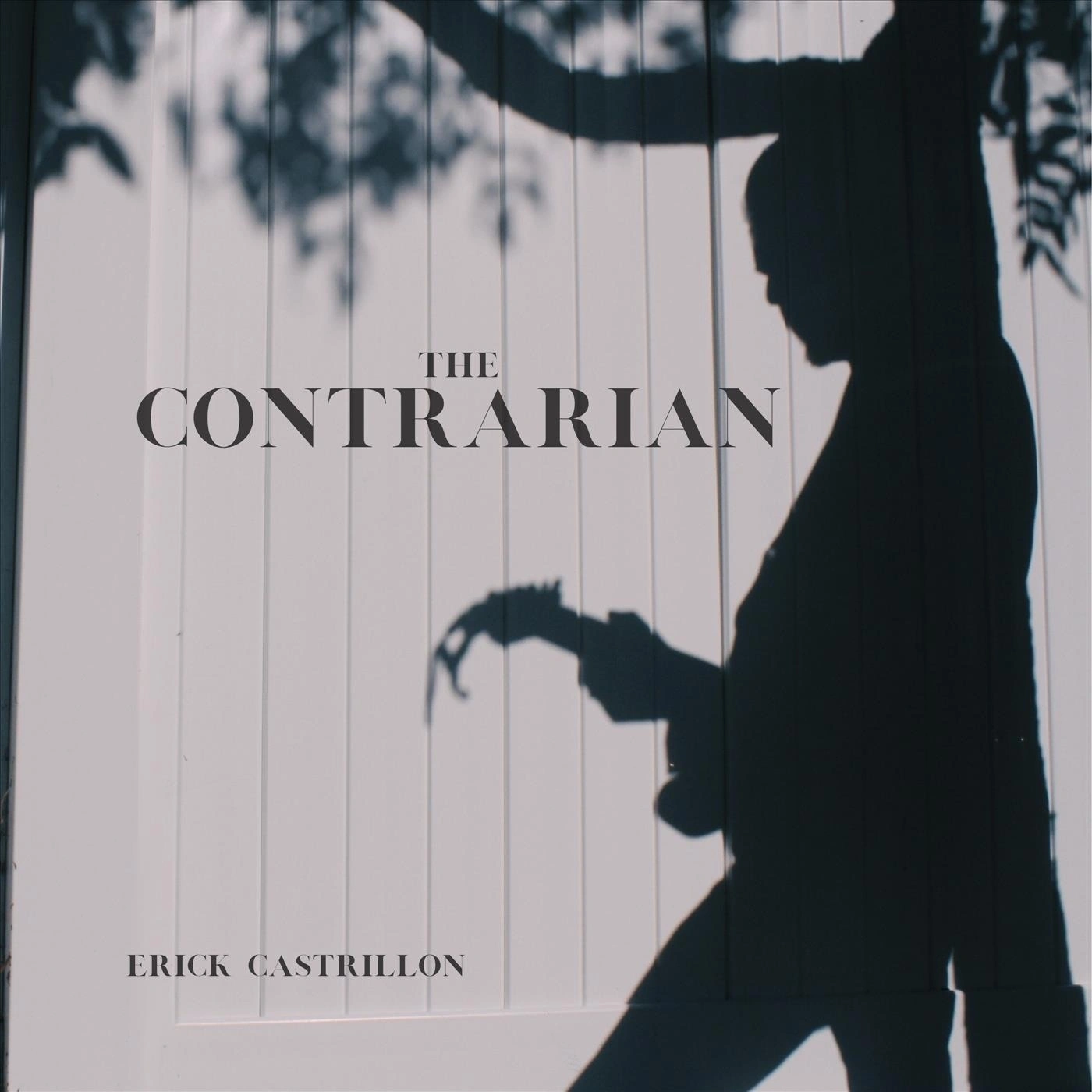
Erick Castrillon Builds the Hook of The Contrarian From a TD-3, a Beat Machine and a Flauta de Millo
Castrillon explained the setup himself. On release day, he told SwitchBitch Noise about his home studio and its world instruments, collected over years. There, the percussion layers real instruments over a beat machine he has customised. The TD-3 and a real bass then share the low end, which he says gives the music its power.
That pairing has a history. The TB-303 flopped as a bass-guitar substitute. However, its squelching filter sweeps went on to define acid house. Chicago producers such as Phuture picked up cheap second-hand units in the mid-1980s. Clones followed, and the TD-3 is one of the most affordable. Here, though, it is not the centre of an acid track. Instead, it shares the bass part with a real instrument, close to the job Roland designed it for.

A Cane Pipe on Top, a VOX Pedal on the Guitars and Two Voices in the Vocal
The top of the arrangement comes from much further away. He leans on the flauta de millo for what he calls a wooden pipe sound from the mountain. Also called the caña de millo, it is an indigenous woodwind from the cumbia tradition of Colombia’s Caribbean coast. So the hook has a clear contrast built in: programmed machines underneath and a cane pipe on top.
Guitars take a third route. They run through a VOX effects pedal into a Peavey amplifier, and plugins then shape the sound further. He also layers his lead vocal with McKenna Stephen’s voice, although only his name appears on the credit. In February 2024, We Write About Music picked out those vocals and the cool bass lines as the standout parts.
Fans of Radiohead will know the blend from the other direction. On Kid A in 2000, a guitar band pulled electronic textures into art rock and cut its lyrics into fragments. In contrast, Castrillon starts from the electronics and pulls in world instruments and an amplified guitar. Even so, a listener arrives in similar art rock territory.


The Always-Right Voice Erick Castrillon Wrote Into The Contrarian, and the Megaphone Tail That Ends It
The lyric gives the machine a voice. The narrator introduces itself as the voice of reason and the voice of dissonance. It calls itself the anti-biology and insists that everyone else is wrong because it is always right. Castrillon dedicated the song to Yann LeCun, the chief AI scientist at Meta, and to tech bros in general. As he told SwitchBitch Noise, LeCun waved away warnings from Tristan Harris at a World Science Festival event. Harris co-founded the Center for Humane Technology.
Meanwhile, Music & Entertainers read the character as a researcher merging with his own machines. For that outlet, it is an image of the god complex the song targets. That reading also fits the sound. The narrator speaks in commands, and the production answers with machines.
The structure follows the story. SwitchBitch Noise heard the intro as a disconnected computer slowly coming to life. Electronic sounds build before the voice arrives. The song then runs for three minutes and 19 seconds. Finally, its ending carries the second production trick Castrillon described. The vocal tail is over-compressed into a grungy megaphone effect. He likens it to a subconscious voice telling you to tap the phone screen to set yourself free.
A Concept Album in Progress and a Film Director’s Frame Around the Songs
The Contrarian also sits inside a bigger structure. Music & Entertainers and We Write About Music both call it the midpoint of a concept album about AI. Castrillon released the companion singles at a steady pace: Evolution in September 2023, The Zone in October and The Great Awakening in November. The Contrarian followed in January 2024, then Trapos that August. On Spotify, it is now the most-played of his songs.
That film-first approach is why Gorillaz makes a useful reference. The band builds a visual world around its records. In 2005, Demon Days set dark, electronic alt-pop inside that story. Similarly, Castrillon directs films in Los Angeles and is building a comparable frame around his songs. He has said he will keep releasing songs about the rise of AI until the full album is out. After that, he plans videos and live shows, starting in the LA area. His film-scoring studio, meanwhile, promises clients music made with no AI at all.
From the ElectroPop.News Curator Team: “Start with The Contrarian, then go back to The Great Awakening to hear the story build towards it. The flauta de millo against a programmed beat is the detail we keep returning to, because no preset in any synth gets you that sound.”
Stream The Contrarian in the Spotify player above or on Apple Music, and follow Erick Castrillon on his Spotify artist page, Apple Music artist page, SoundCloud, Instagram and his official site.








About The Author

 Alibii Turn a Battle with Coeliac Disease Into I Think My Body Hates Me
  The Swedish Fishing Village Behind Tove Lo’s ESTRUS
  Slayyyter Booked Thirty Shows Across Three Continents
  The Retro Synth Sound and Where 90s Double Vision Takes It
  Sugar Relics Put Can’t Stay Awake Back in Play on Caught in the Middle
  Empire of the Sun Follow a 220,000-Ticket Tour With 31 More Shows
  The TD-3 Acid Bass Behind The Contrarian, and Where Erick Castrillon Took It