
Why Boulevard of Broken Dreams Keeps Coming Back, and How Got Dibs Rebuilt It on Piano
Why Boulevard of Broken Dreams Keeps Coming Back, and How Got Dibs Rebuilt It on Piano
A Roland Digital Piano, an AT2035 Microphone and a Stuttering Synth Turn Green Day Downtempo
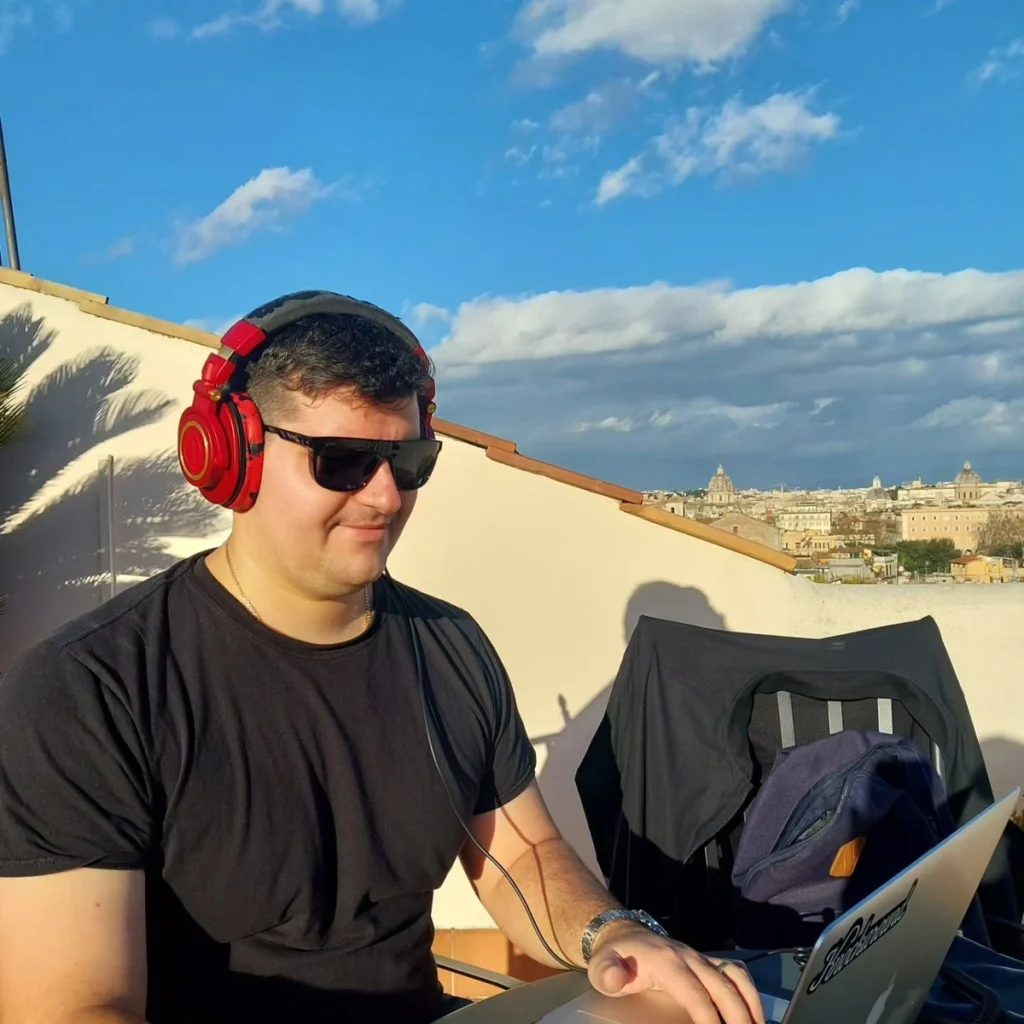
Got Dibs built his cover of Boulevard of Broken Dreams around a Roland HP-704 digital piano and a synth programmed to flutter like the original guitars. The downtempo version, recorded with vocalist Emily Weurth, came out on 28 August 2026 and runs to three minutes and 12 seconds.
Got Dibs and Emily Weurth’s Boulevard of Broken Dreams is waiting in the vocal-house playlist below, and every feature on the producer sits on the Got Dibs artist profile. The cover came to ElectroPop.News through PopHits.Co Music Charts, which verifies independent artists and places their releases across its network of music news titles. Listen to the piano and the synth flutter first, then keep reading for how they were recorded.

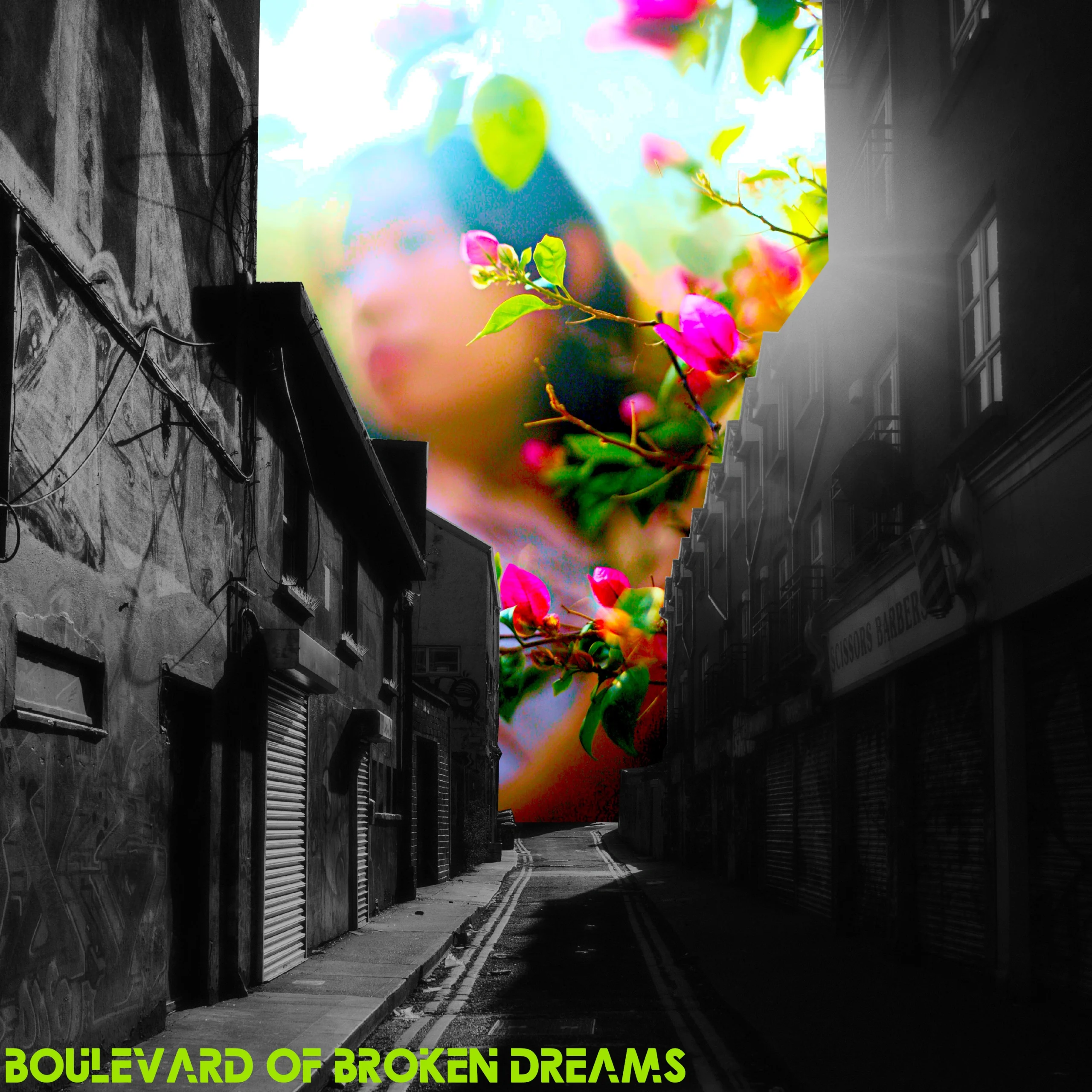
The Original Guitar Flutter in Boulevard of Broken Dreams Returns as an Automated Synth
Start with the hook, because the cover keeps it and changes everything around it. Green Day‘s original, a 2004 single from American Idiot, is built on a pulsing, fluttering guitar part. Got Dibs did not try to copy that guitar. Instead, he moved its job to a synth.
The synth is a VST plugin running inside FL Studio 2025. Dibs drew automation onto it so the sound flutters and stutters, the way the original guitars do. It is a precise piece of programming, because the effect lives in the automation lane rather than in an amp or a pedal. As a result, the most recognisable texture of the 2004 record survives the move from rock band to home studio.
Underneath, the piano does the rest of the work. Dibs is a classically trained pianist, and he played his part on a Roland HP-704 digital piano, sending it out on a quarter-inch cable. That makes the arrangement piano-led, with the synth flutter as a colour on top instead of a wall of guitars.

The Signal Chain Behind the Cover, From a Roland HP-704 to an Allen & Heath ZED-14 Mixer
The whole cover came out of the Green Trombone Records studio, and the gear list is short:
- Vocal: Emily Weurth, recorded on an Audio-Technica AT2035 condenser microphone.
- Piano: Got Dibs on a Roland HP-704 digital piano, over a quarter-inch cable.
- Mixer: both analogue signals ran through an Allen & Heath ZED-14.
- Session: FL Studio 2025, with the fluttering synth from a VST plugin.
- Mix and master: handled by Dibs himself.
According to Dibs, he used no AI at any stage of the production, recording, mixing or mastering. Everything here is a performance or a programming choice.


Emily Weurth Sings the 2004 Lyric Over Piano, and the Song Slows Into a Three-Minute Downtempo Walk
The lyric is Green Day’s, and it is the reason the song travels so well. Its narrator walks an empty street alone at night, with only a shadow for company. That loneliness does not depend on distorted guitars. It needs a voice and a pulse, and that is what this version provides.
Weurth takes the lead vocal over the piano. Dibs and Weurth are husband and wife, and the two of them recorded the cover together in their studio. The result is a smaller, more private version of a song most people know from rock radio.
The structure follows the original but trims it. At three minutes and 12 seconds, the Got Dibs version is more than a minute shorter than Green Day’s original. Meanwhile, the tempo eases into a chill downtempo walk. The synth flutter carries the familiar guitar rhythm, so the song’s landmarks stay recognisable even without a band.
Why Boulevard of Broken Dreams Keeps Coming Back, and Who Should Press Play on This Cover
Boulevard of Broken Dreams won Record of the Year at the 2006 Grammy Awards, and its melody has outlived the era that made it. The reason is simple: the tune holds up without the arrangement. Apple Music alone lists lullaby, bluegrass and string-quartet versions of it. Strip away the guitars and the drums, and you still have a melody that works on a piano in a home studio.
Got Dibs comes at it from a different world. Gregory Dibs started producing records in high school in 2010 and began DJing at UC Davis in 2013. He also plays jazz trombone, and he founded Green Trombone Records, an independent EDM label and production house with more than 90 releases across a roster of eight artists. His own productions usually move between deep house and future bass, so a piano-led downtempo cover is a deliberate step sideways.
This cover suits listeners who grew up on Green Day and now want the song at a lower volume. It also suits anyone who enjoyed Kygo‘s early piano-led remixes, which rebuilt well-known songs around piano and an electronic pulse. Got Dibs takes the same idea somewhere slower and more intimate.
From the ElectroPop.News curator team: “The smartest decision here is the automation. Instead of faking a guitar, Got Dibs gives the synth the guitar’s rhythm, so the 2004 hook arrives intact while the piano and Weurth’s voice carry the rest.”
Follow Got Dibs and Emily Weurth
Stream Boulevard of Broken Dreams on Spotify. Follow Got Dibs on his Spotify artist page, Instagram and Facebook, and follow Emily Weurth on her Spotify artist page. You can also explore the Green Trombone Records catalogue on its Spotify playlist.




About The Author

 Elsa Eva Writes the Eerie Chorus in Fragments, and How to Hear It
 The Mild West: Space Cowboy Newt’s Tiny Synth Sound and Where It Went
 Why Big Room Keeps Coming Back on Twilight by JOYFIRE and Christine Elise
 Montréal Electro-Funk Groove Writing on BOO THANG! By ALÖW, and How to Hear It
 Stellar Dusk Gravity: The Lush 80s Synth-Pad Sound and Where It Went
 VEM NA LUA Gives Corb Schemitz One Phonk Track at Five Different Speeds
 Why Boulevard of Broken Dreams Keeps Coming Back, and How Got Dibs Rebuilt It on Piano