
Elsa Eva Writes the Eerie Chorus in Fragments, and How to Hear It

Elsa Eva Writes the Eerie Chorus in Fragments, and How to Hear It
A California Producer Builds a House-Pop Single From a Looping Verse and One-Word Hooks
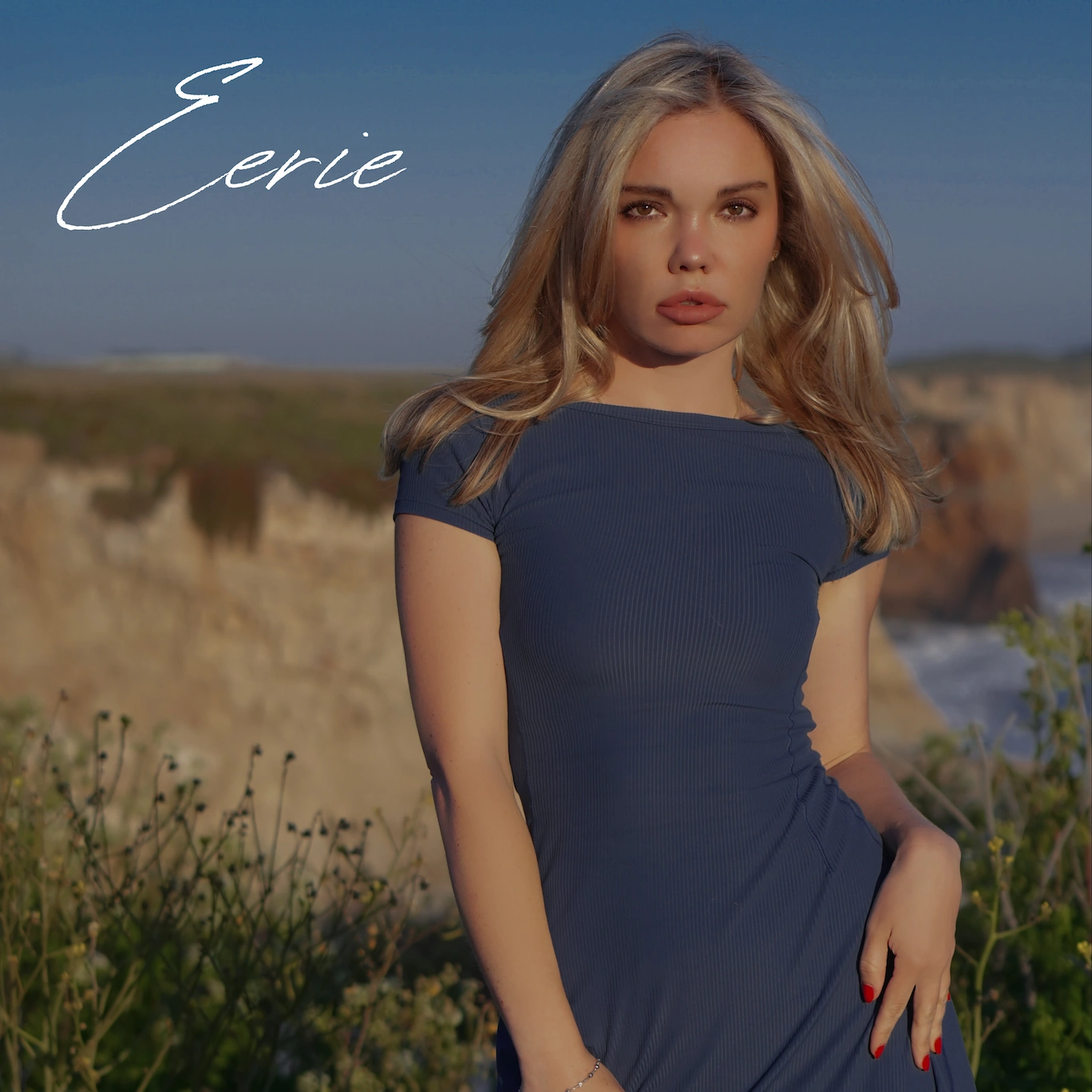
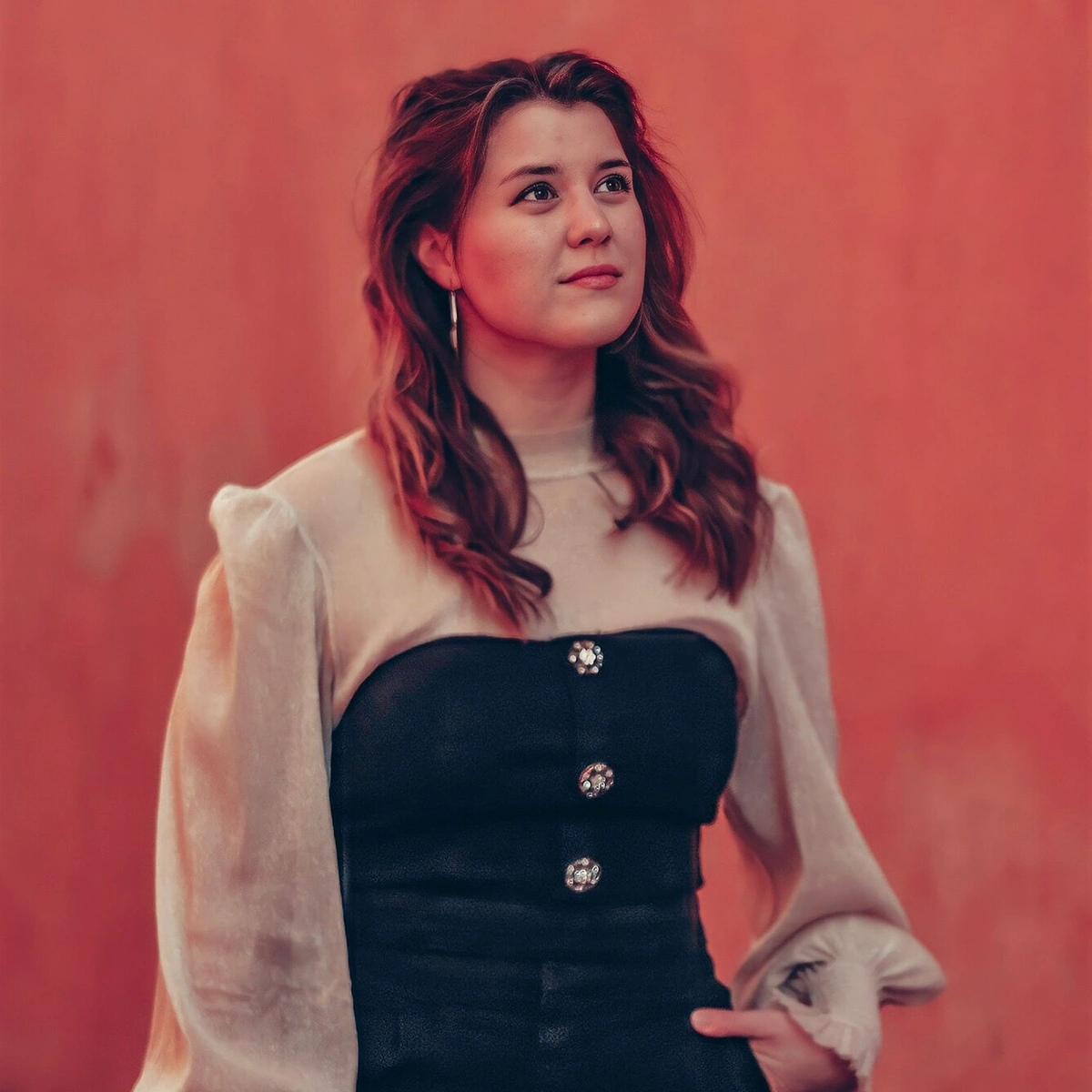
Elsa Eva built Eerie on house beats and organic instrumentation, then wrote its chorus out of fragments. The California singer, songwriter and producer released the house-pop single on 20 July 2026. It runs to two minutes and 53 seconds, and almost every second is working.
Elsa Eva’s Eerie now sits in the dance-pop playlist below, and her full run of coverage is on the Elsa Eva artist profile. The single came to ElectroPop.News through PopHits.Co Music Charts, which verifies independent artists and places their releases across its network of music news sites. Give it a listen first, then keep reading for how the hook is put together.

A House Beat, a Wordless Ah and a Title Repeated Like a Warning Make the Eerie Hook
Start with the production, because Elsa Eva did it herself. Eerie sets dance-pop grooves on a house foundation, then adds organic instrumentation and cinematic soundscapes. Her own description of her sound is genre-fluid: house, indie pop and alternative rock in one mix. Her website also adds synth-pop and pop rock to that list.
That blend matters for the hook. A house groove wants repetition, and Eerie gives it repetition with a twist. The chorus is not a sentence. Instead, it is a title, a single word and a pause.
The title line comes first: it is eerie, and it is everywhere. Then the lyric drops single nouns into the gaps, first essence, then poison. Each one is followed by an image of being pulled closer. Before all that, a wordless “ah” opens the door. It is a small, playful trick, because the verse tells a story and the chorus answers with a list of sensations.

How to Hear the Hook in Eerie by Elsa Eva, From the Title Chant to the Wordless Lead-In
Put Eerie on through headphones and listen for four things:
- The title against the word everywhere. The pairing repeats through the chorus, so the hook works like a chant over the house beat.
- The single nouns. Count them as they land. They read like the notes on a perfume bottle, which suits a song about something you can sense before you can name.
- The wordless lead-in. The “ah” before the chorus is the moment the song shifts from storytelling to sensation, so it is the cue to lean in.
- The return of the verse. At under three minutes, a second play is the easiest way to hear the opening lines come back after the chorus.

Stitches, Perfume and Poison Carry a Lyric About Curiosity, and the Verse Comes Back Around
The verse lyric is where the story lives. Its narrator keeps following and keeps changing. Tight stitches break softly, faded lines rearrange themselves, and the drift ends in dark temptation. Nothing in the verse stays in one direction, which is exactly the point. The verse also moves two ways at once: its narrator keeps climbing, irresistibly, yet still falls into temptation by the last line.
Elsa Eva has explained the idea behind Eerie plainly. The song is about the thrill of being drawn to something mysterious, unpredictable and slightly dangerous. You know the risks, yet you still feel pulled towards it. Her own word for the result is playful, and the fragment chorus proves it. Danger here smells good.
The shape is compact. Verse, wordless lead-in, fragment chorus, and then the verse comes back around with its stitches and faded lines. The return makes sense for a song about being unable to stay away. You end up exactly where the pull started, ready to follow it again.
It also fits a busy run of releases. Elsa Eva opened 2026 with the four-track EP Criminal Action in January. Next came the single Guided, a song about trusting your intuition, on 1 July. Eerie followed three weeks later, and her newest single, Detached, arrives on 23 October.
That pairing with Guided is worth noticing. Guided is about following an invisible thread and trusting your instincts. Eerie follows a thread too, only this one leads somewhere darker. Played back to back, the two singles sound like a before and after.
Who Should Press Play on Eerie by Elsa Eva, From Robyn Fans to Anyone Who Likes Dark House-Pop
Eerie by Elsa Eva suits listeners who like their house-pop with a dark edge and a short running time. If Robyn‘s Honey, with its slow-burning club grooves under lyrics about longing, is in your rotation, Eerie will make sense quickly. Fans of Jessie Ware‘s What’s Your Pleasure?, which dressed pop songs in disco and house rhythms, will hear a similar instinct here. Elsa Eva simply works at a smaller, self-produced scale.
From the ElectroPop.News curator team: “Eerie trusts its listener. The verse tells the story, and the chorus hands you nothing but the title, the word everywhere and two nouns. That restraint is why the house beat never feels empty.”
Follow Elsa Eva
Stream Eerie on Spotify and Apple Music. Follow Elsa Eva on her Spotify artist page, her Apple Music artist page and SoundCloud. Keep up with her on Instagram, TikTok and YouTube, and visit her official website.











About The Author

 Why Boulevard of Broken Dreams Keeps Coming Back, and How Got Dibs Rebuilt It on Piano
 The Mild West: Space Cowboy Newt’s Tiny Synth Sound and Where It Went
 Why Big Room Keeps Coming Back on Twilight by JOYFIRE and Christine Elise
 Montréal Electro-Funk Groove Writing on BOO THANG! By ALÖW, and How to Hear It
 Stellar Dusk Gravity: The Lush 80s Synth-Pad Sound and Where It Went
 VEM NA LUA Gives Corb Schemitz One Phonk Track at Five Different Speeds
 Elsa Eva Writes the Eerie Chorus in Fragments, and How to Hear It