
Why Nineties Trip-Hop Keeps Coming Back on True True Self by Transformuse
Why Nineties Trip-Hop Keeps Coming Back on True True Self by Transformuse
Ayam’s Vocal Line and ChrisTala’s Beat Turn an Old Bristol Template Into Ecstatic Dance
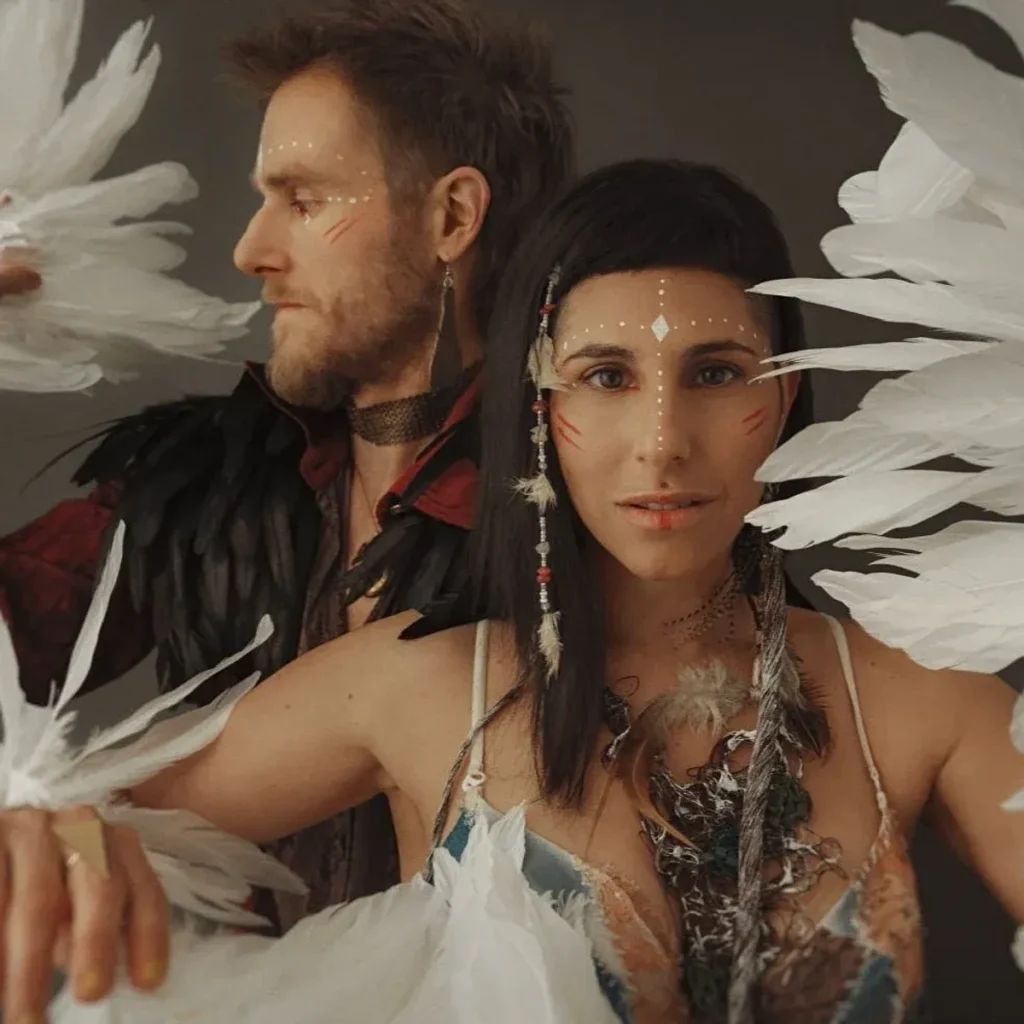
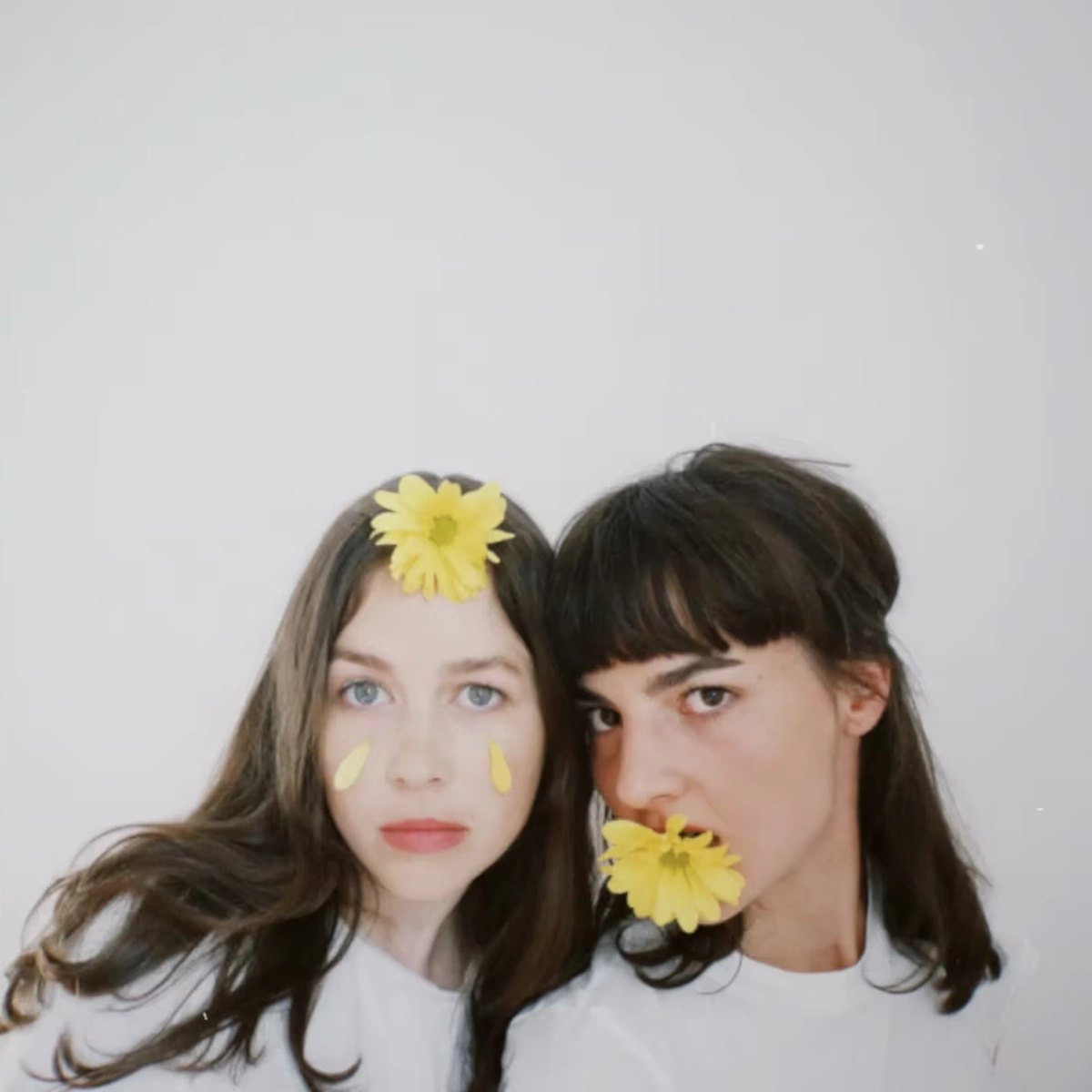
True True Self was written, arranged and mixed in the countryside studio of Transformuse, and the method shows in the result. Ayam brings the vocal phrase. ChrisTala then builds the beat, the bass and the space around it. Released on 18 September 2026 through High Vibe Records, the single is slow trip-hop at heart, rebuilt for the ecstatic dance community the Berlin duo play to.
Transformuse’s True True Self has a place in the ElectroPop.News dark pop and coldwave playlist below, alongside the desk’s other slow-burning picks. The act’s full coverage sits on the Transformuse profile. True True Self came to this desk through PopHits.Co Music Charts, which verifies independent artists and places their releases across its network of music news desks. Play it loud enough to feel the bass, then read on for how it was built.


How the Hook and the Lyric of True True Self Grow From One Doubled Word
Start with the title, because the hook lives there. True True Self says the same word twice. That doubling is one of the oldest devices in songwriting: it adds weight without adding syllables, and it gives a singer a phrase to lean on. Repeated across a chorus, two identical words soon become a pulse of their own. On a dance floor, a short repeated phrase is easier to hold onto than a full verse. That is why so much dance music runs on a single line.
The lyric also follows the same idea. Transformuse describe the song as an awakening from a dream, a search for your own voice, and a step past old stories toward the self underneath. In other words, the vocal acts as a guide. It asks the listener to let go, to move, and to find the way back to the heart. That intention suits a track made for rooms where, as the duo describe their early shows, people close their eyes and start to sway.

Ayam Writes the Phrases and ChrisTala Builds the Room Around Them in the Transformuse Method
That approach comes straight from how the duo write. A 2025 profile of the pair on Arivela described their process as a split of roles. Ayam receives the melodies and the phrases. ChrisTala then builds the landscape around them, adding beats and layers until the track breathes. Ayam’s background is in performance art, somatic movement and shamanic singing. ChrisTala, meanwhile, came to the project through overtone singing and sound healing. The two met at a healing festival in 2016, and Transformuse later grew from that meeting.
The catalogue shows the method developing. The duo released Shards of Light under their earlier name, Transformusic. The album Holy Shift followed as Transformuse in September 2024, when Mesmerized previewed it and We Write About Music reviewed it. The album sits alongside the Spirit remix journey, and True True Self continues that run as a standalone single.

The Structure of True True Self, From a Slow Trip-Hop Pulse to a Nearly Five-Minute Dance Arc
The track runs four minutes and fifty-four seconds. It is built on deep, pulsing bass and a looping, repetitive rhythm. That choice matters for the room it is made for. Ecstatic dance sessions run as long, guided journeys. So a track for that floor has to hold a groove and let the dancers find their own peak.
This is also why the Bristol sound of the early 1990s keeps coming back. That template was simple: a slow beat, a heavy low end, and a voice floating above it with plenty of air around it. Each new generation keeps the frame and changes the mood. Transformuse keep the slow tempo and the deep bass, then swap the old city melancholy for ceremony and release.
Two names from the same orbit help place the result. Kerala Dust built their following on slow, trance-like electronic songs with a live-band feel. Similarly, Bedouin, the Brooklyn dance duo, built organic house sets on patient tempos and melodic, world-music colour. True True Self sits between them: closer to a song than a club track, but still made for movement.
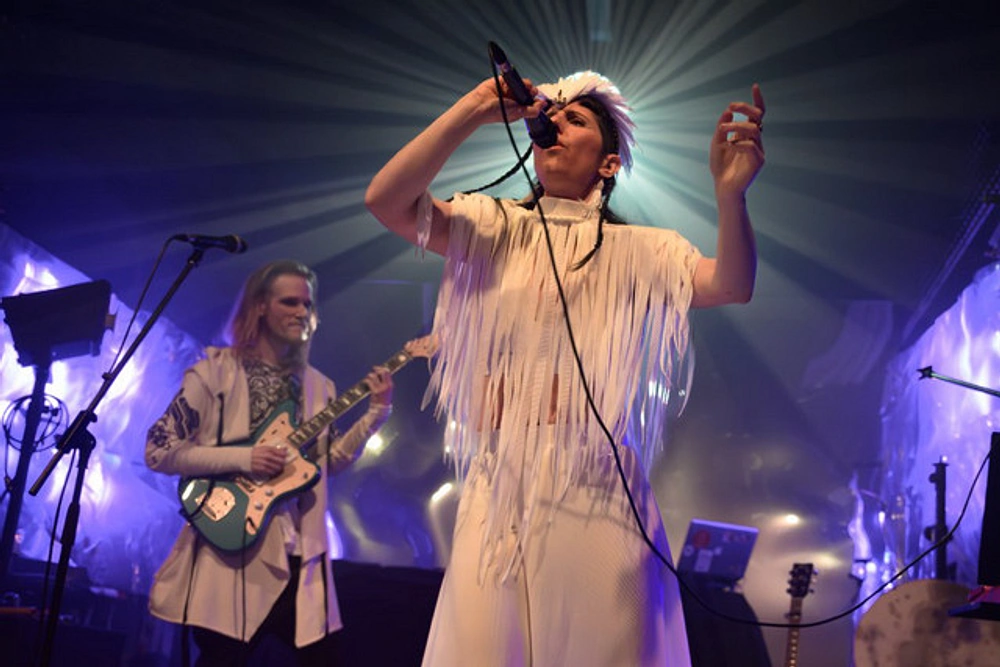
Indeed, the live side backs this up. Transformuse work as sound healers and space holders in the international ecstatic dance community. They have also shared the stage with YAIMA at Berlin’s Club Gretchen, a set the duo later posted to their YouTube channel.
From the ElectroPop.News Curator Team: “True True Self gets the old trip-hop arithmetic right. Slow tempo, heavy bass, one voice with room around it, and the doubled word in the title doing the work a big synth hook would do anywhere else.”
Where to Hear True True Self and Follow Transformuse From Berlin to Music Temple Kassel
The release is out on High Vibe Records, a label that connects trip-hop with the electronic underground. Away from releases, the duo also run the Muse Circle, a community for listeners and creators, and opened Music Temple Kassel as a home for their gatherings. Listen with headphones first, then on a proper system, because the low end does a lot of the work.
Stream True True Self on Spotify, Apple Music and SoundCloud, and find the album Holy Shift on Bandcamp. Follow Transformuse across platforms: YouTube channel, Instagram, TikTok, Facebook, Linktree and the official website.




About The Author

 The Rave Piano Sound and Where It Went on Feel Alive by DJ Jon
  Charli XCX Brought a Different Surprise Guest to Each ACL Weekend
  Why the Slower, Pre-Screen World Keeps Coming Back in Alex Shkudun’s NO TIME
  Sky Ride Packs Johannes Jae’s Flight-Themed Melodic Techno Into Less Than Three Minutes
  Viridenis Ventus Opens Z8phyR’s Octochromatic Project with Melodic Progressive House in Three Cuts
  City Circuits Turn a Break-Up Into Upbeat Indie Pop on Anybody Else (Not You), and How to Hear It
 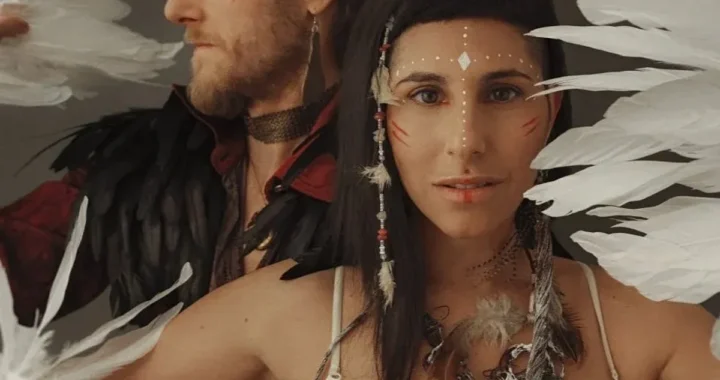 Why Nineties Trip-Hop Keeps Coming Back on True True Self by Transformuse