
The Swedish Fishing Village Behind Tove Lo’s ESTRUS
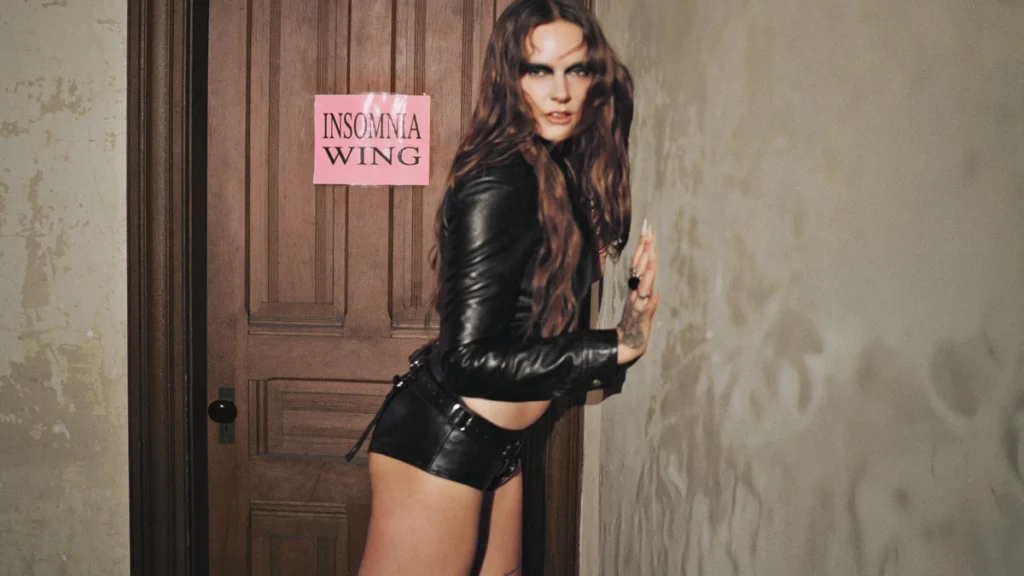
The first sound on Tove Lo’s ESTRUS is a whirling metallic pulse. It rushes in fast, hard to place, and then the track it opens, a lot of feelings, no solutions, is over in under a minute. According to Clash, it works as a summary of everything the album goes on to explore.
The album behind that opening began a long way from a club. Tove Lo made much of her sixth album with her longtime collaborator Ludvig Söderberg, and it began to take shape in the small Swedish fishing village where she spent her summers as a child. ESTRUS was released on 18 September through Pretty Swede Records and Virgin Music Group.
A Fishing Village as the Starting Point
The record started with a block. Tove Lo told NME that after Heat, her 2024 collaborative EP with SG Lewis, she felt creatively satisfied for a while, and then found she did not know what she wanted to say or whether she was ready to open up again. She stopped writing for six months.
When she started again, she went back to the village with Söderberg. She told NME she now has to go there to begin any album, because the place holds strong emotional triggers, both beautiful and dark. It is where she had many of her firsts growing up, and where she returned when she was burned out after her first album.
The timing of the visits matters to the process. She goes in the off-season, when there are no crowds and no distractions, which she described to NME as a writing bubble that suits someone easily pulled into trouble.
The village is only one of three bases. The label’s release notes, carried by BroadwayWorld, say the album was recorded in Los Angeles, Stockholm and the fishing village, where she also made parts of her previous album, Dirt Femme. The same notes say that returning brought back her whole history there, from depression and an eating disorder to break-ups, family drama and loss.
Who Built the Sound
Söderberg is the constant, but he was not alone. According to the label, Tove Lo recorded the album with Söderberg alongside Elvira Anderfjärd and Luka Kloser, whose credits include work with Addison Rae. The Belgian artist and producer Stromae appears on des fleurs.
A fourth name comes from the interview. Tove Lo told NME that TimFromTheHouse, a producer and artist, did a lot on the album. The two also run a side project and DJ collective called Associanu, which George Daniel of The 1975 signed to his label.
That connection produced a separate release. Tove Lo explained that George Daniel reworked a track she and TimFromTheHouse had made, with her singing in Swedish, and used her vocal on his debut, Screen Cleaner. She described the whole circle as an in-house family of dance music.
The reference points were Swedish too. The label names The Knife, Robyn and the Swedish indie dance music she grew up on, and Tove Lo added Lykke Li when speaking to NME. One of the first songs to emerge in the village sessions was die for my art with a lonely heart, which NME describes as an 1980s-leaning synth track.
Sirens, Buzzsaw Tones and Walking Basslines
The lead single set the palette. When I’m your girl right? was released in May, Stereogum described a restless four-on-the-floor beat, buzzing discordant synths and a siren-like wail in the distance, before disco-leaning keys come in.
Clash hears the album’s production as sparse in its opening stretch: crisp sounds and close vocals set against silence. On I’m your girl right? the vocals are isolated enough to hear every breath, over club pianos, while sirens and buzzsaw tones pull against the melody.
The textures change as the record moves. The same review describes des fleurs as sparkling, with twinkling pianos, electronically enhanced rolled Rs and French vocals from Stromae, while DNH is buzzy and metallic. F.A.M.T opens the space up with warm layers and vocals pushed back in the chorus, and the bad one runs on wavy synths and electro-pop beats.
The low end does a lot of the work. Clash singles out the basslines, from the pulsing bass drum and bass progression of roomie to the stop-start groove of the closing song, source of life. It also highlights the vocal treatments, metallic synths and rising chorus progression of are we on a break. The magazine scored the album 7 out of 10. NME, for its part, calls ESTRUS a floor-filling set of club beats and slinky basslines.
Thirteen Tracks and an Altar
Tove Lo announced the album on Instagram on 11 May, according to Billboard. The artwork shows her crawling towards an altar covered in candles, with a black cat on top and the word ESTRUS written across her long hair. The tracklist image adds a scorpion and the symbol for Scorpio, her star sign.
The album runs to 13 tracks: a lot of feelings, no solutions; I’m your girl right?; if I could I would; des fleurs with Stromae; DNH; F.A.M.T; I’m the cake; the bad one; die for my art with a lonely heart; are we on a break; idiot; roomie; and source of life.
It is her first studio album since Dirt Femme in 2022, which was also the first record released on her own independent label, Pretty Swede Records. NME notes that the four-year gap is the longest she has ever taken between studio albums, and Billboard reports that, in the comments on her own post, she described the album as the product of four years of work.
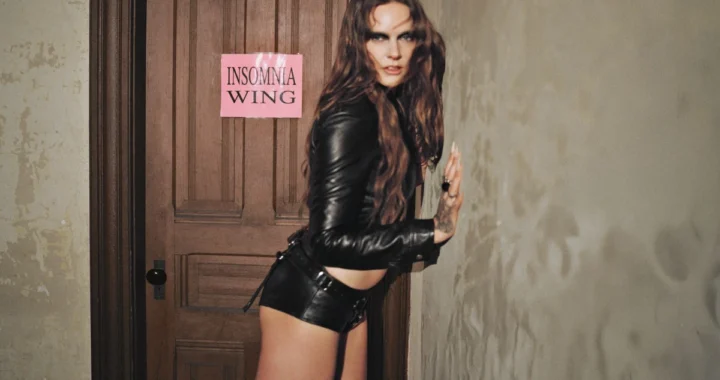
The singles each came with a visual. The video for I’m your girl right? was directed by Nogari and shot in a former monastery outside São Paulo with a crew of 70 dancers, Stereogum reports, while the label says the video for des fleurs was directed by Melchior Leroux.
Why It Is Called ESTRUS
The title came from a book. Tove Lo told NME she was looking through the books she keeps in her Los Angeles studio for moments when lyrics dry up, and found one called Feline, which explained that a cat in heat is in estrus. She had wanted a word that felt animal and primal but also vulnerable and introspective, and the description, with its mix of urgency, anxiety and not quite recognising yourself, matched how she felt while making the record.
Her announcement kept the same idea. She described estrus as an animal in heat, with her mind and body wanting different things, and warned listeners not to expect advice from the album, only feelings without solutions, which is also where the opening track gets its title.
Some of the songs look further ahead than the club. In an interview with The Sydney Morning Herald, she called ESTRUS her Peter Pan record, driven by not wanting to grow up while feeling the pressure to. The paper highlights I’m the cake, a song about being taken for granted at home, and notes that source of life closes the album by weighing her mixed feelings about motherhood.
Built to Be Played Loud
These songs were written with a stage in mind. NME reports that the album was made to be performed, and Tove Lo said she was especially looking forward to playing I’m your girl right? live because of its punk energy.
The rollout has leaned on club settings. The label says fans first heard the album at A Night in ESTRUS, an event at Warsaw in Brooklyn that combined an advance listening session with an after-party featuring DJ sets from Tove Lo, SG Lewis and x3butterfly. Six North American release shows began in Nashville on 15 September and include Under the K Bridge Park in Brooklyn the day after release, with Mallrat supporting and Cobrah joining the New York show.
The UK and European dates follow in November and are her largest headline shows in the region to date, with Rose Gray in support. When the album was announced, Stereogum listed Manchester, London, Brussels, Paris and Amsterdam on that leg. In March 2027 she plays Brisbane, Melbourne, Sydney and Perth with SALTY, according to triple j.
Do not expect a remix album. Tove Lo told NME she would find it hard to hear anyone change these songs, though one or two remixes might happen, and that she would rather make new songs in the ESTRUS world with collaborators such as Robyn, ADÉLA, Slayyyter, Charli XCX, Wet Leg, Doechii and Zara Larsson. ElectroPop.News covered one of those names recently, when Robyn waited eight years and came back with twenty-nine minutes. Tove Lo took four, and went back to the village to find her way in.
About The Author

 Slayyyter Booked Thirty Shows Across Three Continents
  The Retro Synth Sound and Where 90s Double Vision Takes It
  Sugar Relics Put Can’t Stay Awake Back in Play on Caught in the Middle
  Empire of the Sun Follow a 220,000-Ticket Tour With 31 More Shows
  Kid Ørbit Slide: the 808 Sound, and Where It Went After 1983
  Sarah Giles Made Don’t Whisper Inside Her Own Live Band and You Can Hear Where It Went
  The Swedish Fishing Village Behind Tove Lo’s ESTRUS