
Kid Ørbit Slide: the 808 Sound, and Where It Went After 1983

Kid Ørbit Slide: the 808 Sound, and Where It Went After 1983
How A Melbourne Melodic Rap Single Inherits the Drum Machine That Built Trap
Roland discontinued the TR-808 in 1983, and the machine refused to disappear. Almost every trap record since rests on the architecture it left behind, which is where this single starts. Kid Ørbit released Slide as a 2:42 track on 21 August 2026, aimed squarely at late nights and crowded rooms.
Kid Ørbit’s music is in the playlist below, and what these titles have published about the project is listed on the artist profile. Slide came to this desk through PopHits.Co Music Charts, which verifies independent artists and places their releases across its network of music news titles. Start it playing, then read the rest.

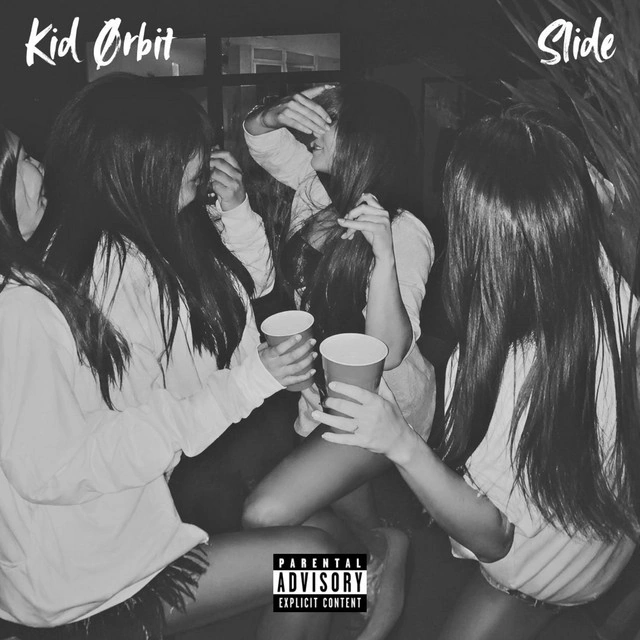
The Machine Behind Kid Ørbit Slide Was Discontinued In 1983
Roland put the TR-808 on sale in 1980 and pulled it three years later. It sold poorly. The machine generated its drums from analogue circuits rather than sampling real ones, and next to the Linn LM-1, which used actual recordings, it simply sounded wrong to buyers. Roland moved on.
The units then went cheap on the second-hand market. That put a programmed drum machine within reach of people who could not otherwise afford a studio, and it is the hinge the whole story turns on. Afrika Bambaataa built “Planet Rock” on one in 1982. Marvin Gaye put “Sexual Healing” on one the same year. Neither was reaching for it because it sounded real. They reached for it because it sounded like itself.
That distinction still matters on a synth desk. A preset that imitates something is disposable once the imitation improves. A preset that sounds like nothing else becomes an instrument.

From Planet Rock To Atlanta, The 808 Kick Became A Bass Line
One control did most of the work. The 808’s kick has a decay knob, and turned up it stretches the drum into a long low tone that behaves less like a hit and more like a note. Miami bass producers ran it hot through the 1980s. Southern rap kept it.
By the time Atlanta producers had assembled the template the world would call trap, the record’s bottom end and its bass part had become the same object. Producers then programmed rapid hi-hat subdivisions on top, carrying the pulse the kick was now too slow to keep. Melodic rap is the generation after that, and it changed one thing: it put singing where the rapping used to sit.
So the form travels. An artist in Melbourne can work in a shape assembled in Atlanta out of a Japanese machine that failed in America, and by 2026 nothing in that chain is remarkable. Slide sits in that lineage, leaning on the hard-hitting end of it rather than the introspective one.


What The Credits On Slide Say About How Kid Ørbit Works
The credits are short, and that is the interesting part. They list Kid Ørbit as vocalist and sole songwriter. Grey Aylen takes producer and engineer, both roles, one person. No committee, no feature. Two people made this record.
Two minutes and forty-two seconds is the other structural fact. A track that length cannot carry a long introduction, a bridge and an outro, so it does not attempt one. He designed it as a dance-along, sing-along record for collective moments, and that runtime is what serving it looks like: reach the hook, repeat the hook, finish before anyone has to decide whether they are still enjoying themselves.
Kid Ørbit put the intention plainly on release.
“This track is pure energy, designed to ignite any party and keep the dance floor moving all night.”
Slide is also not the start of the catalogue. There is an album, Sorry For Your Loss, plus a deluxe edition, and singles including ETA, Fox 5 and Sunshine. Anyone arriving through this track has somewhere to go next, which is not true of every artist who reaches a desk with one single and no history behind it.
Where To Hear Slide And Follow Kid Ørbit
For listeners, the reference points sit at the melodic end of trap rather than the hard-nosed one. Fans of The Kid LAROI, another Australian who took this same form abroad, will recognise the register. So will anyone following Travis Scott or Don Toliver, where the singing and the 808 floor work together rather than compete.
ElectroPop.News’s curator team on why it earned a slot:
“A synth desk covering a rap single is not a category error. The 808 is a synthesiser with a drum-shaped user interface, and Slide is a reminder that the most durable machine in pop music never stopped being one.”
You can hear Slide on Apple Music, and the wider catalogue sits on his Apple Music artist page.
Listeners following the work as it arrives can find him on Spotify, YouTube, Instagram and TikTok. Start with Slide, then work back through Sorry For Your Loss.














About The Author

 VEM NA LUA Gives Corb Schemitz One Phonk Track at Five Different Speeds
  The Acapella-First Build of Don’t Let Them Win by Yiannis Chrysanthou, and How to Hear It
  The Saxophone-House Sound of Times EP by Nikolay Cranner, and Where It Went
  The Waitress Sample in BACKDOOR by ori.mp3, and How to Hear It
  Why Cosmos by Noc Beteck Keeps Coming Back: Auto-Tune, Hyperactive Synths and a Lyric About the Stars
  The Glam-Pop House Sound and Where It Went: Good Therapy by Raïko