
Röyksopp Quit Traditional Albums and Made Five More
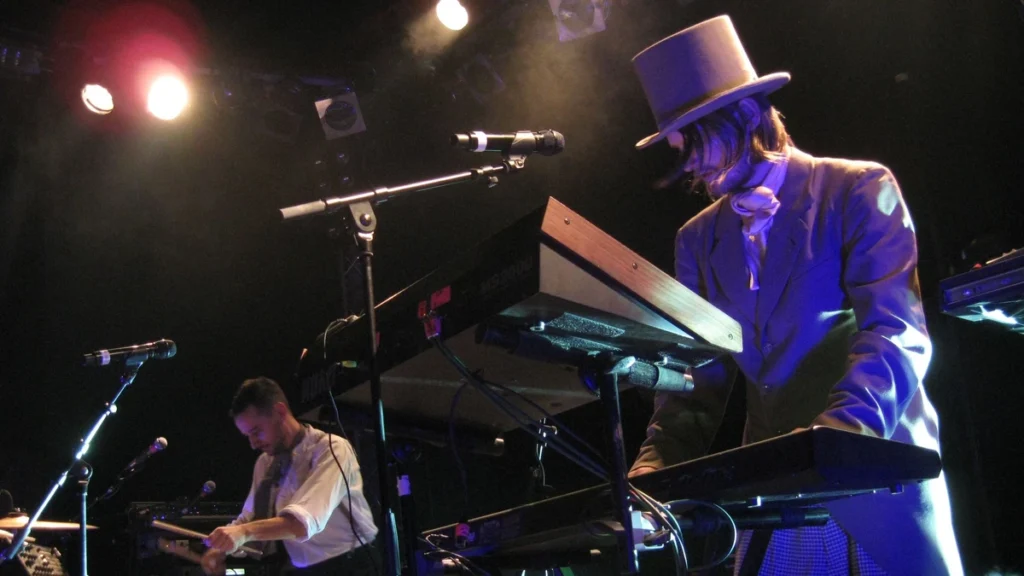
In 2014 Röyksopp announced that The Inevitable End would be their last traditional album, explaining that they wanted to explore new ways of releasing music. Since then Svein Berge and Torbjørn Brundtland have put out five more records.
The joke, if it is one, is that everything they have made since is considerably larger than a traditional album. A three-part project with a short film for every track, an ambient record and a hundred-and-twelve-minute set of club reworkings is not a retreat from the format. It is an escalation.
What Profound Mysteries Was
The trilogy arrived across 2022: the first part on 29 April, the second on 19 August, the third on 18 November, with a remix album slotted in between in July. They described it as an expanded creative universe and a conceptual project rather than a record.
Each of the ten tracks on the first instalment came with a short film by a different Scandinavian director, plus animated visualisations by the artist Jonathan Zawada. The stated influence was David Lynch, and the stated aim was to provoke a reaction rather than to be listened to passively.
The duo’s explanation of the title is unusually direct for a concept project. What human beings do not know, they said, vastly overshadows what they do, and as teenagers they used to discuss their fascination with the infinite and the impossible. They added that the project was about the word mystery and about subjectivity, meaning what a listener reads into what they see and hear.
Who Sang on It
The guest list is drawn almost entirely from artists with strong identities of their own: Alison Goldfrapp on Impossible, Susanne Sundfør on two tracks, Astrid S on Breathe, Beki Mari on This Time, This Place, and Pixx on How the Flowers Grow.
Metacritic settled at 82. AllMusic’s reading was that it was perhaps darker and more haunting than anything they had previously released, which is a fair description of a project built around the limits of what can be known. Commissioning ten films from ten different directors also meant handing the interpretation of each song to somebody else, which is a literal way of enacting the point about subjectivity.
Then the Opposite
December 2024 brought Nebulous Nights, an ambient record. Four months later came True Electric, which is as far from ambient as this duo goes.
Released on 11 April 2025 on Dog Triumph, it collects nineteen reworked versions of their own tracks spanning The Understanding in 2005, Junior in 2009, The Inevitable End in 2014 and the Profound Mysteries trilogy, plus one previously unreleased song called The R. It runs a hundred and twelve minutes.
Their reasoning was straightforward: the tour it came from was meant to put an emphasis on the clubbier aspects of their music. Singles preceded it at monthly intervals, reworking What Else Is There? in January, Do It Again in February and Running to the Sea in March.
Two Versions of the Same Record
The most practical decision is easy to miss. True Electric exists on streaming services in two forms: a continuous DJ mix and a standard version with the tracks separated.
That solves a problem the format has never handled well. A mixed album is the correct way to hear this material and the wrong way to put any of it in a playlist, and streaming platforms have historically forced artists to pick one. Issuing both is a small piece of infrastructure work that most labels would not bother with, which is presumably why the band runs its own.
Reworking Your Own Catalogue Is Harder Than It Sounds
A remix album of other people’s tracks is a curation exercise. A remix album of your own is a judgement about which of your records were wrong the first time, and that is a considerably more exposing thing to publish.
What Else Is There? is the obvious case. It is a 2005 track with a Karin Dreijer vocal, one of the most admired records the duo has made, and the sort of thing an act normally leaves alone. Reworking it for a club and releasing that version as the lead single says the original was a studio arrangement rather than a definitive one.
The spread of source material makes the same point. Pulling from four albums across seventeen years and mixing them into one continuous set treats the catalogue as raw material rather than as a sequence of finished statements. Very few electronic acts with this much history are willing to do that, because it undermines the idea that each album was a considered artefact.
The collaborators complicate it further. Fever Ray, Robyn, Susanne Sundfør, Alison Goldfrapp and Astrid S all appear across the reworked tracks, which means the duo were revisiting other people’s vocal performances as well as their own productions.
Their Own Label
Dog Triumph has released everything since 2022. For a duo who spent their early career on Wall of Sound and then Astralwerks, moving to self-release is the decision that makes all the others possible.
Commissioning ten short films, releasing three albums in seven months, putting out an ambient record and then a two-hour club compilation with two different mixes are all things that require a label to say yes. Owning the label removes the conversation.
It is the same conclusion Ladytron reached about controlling their own release schedule, arrived at by a duo with a much stranger set of things they wanted to do. The commercial results are modest by design: True Electric reached twenty in Germany, twenty-three at home in Norway and twenty-nine on the UK independent chart.
What Ending the Album Actually Meant
Read back, the 2014 statement now looks less like a retirement than a refusal of a specific thing: the cycle where a band delivers ten or twelve tracks, tours them for eighteen months, then does it again.
Everything since has been a different shape. A trilogy released in instalments. A film for every song. An ambient album with no singles. A remix collection of their own catalogue longer than most double albums. None of those is a traditional album, and collectively they are a much bigger body of work than continuing normally would have produced.
They play the second weekend of Coachella in April 2026, which is about as traditional as their year gets. The material they will be playing has been through at least two versions of itself by now, which is roughly the point.
There is a wider lesson in it for electronic acts of their vintage. The standard options after twenty years are a greatest-hits tour, a covers record or a long silence, and all three treat the back catalogue as fixed. Röyksopp have instead kept the old material in circulation by continuing to change it, which means their live show is never a nostalgia exercise even when the songs are two decades old and the audience has known them for most of that time.
Whether the next thing is another trilogy, another ambient record or something with no precedent is genuinely unpredictable, and that is unusual for a duo this far into a career. Announcing the end of albums turns out to have been the most productive decision they ever made.
About The Author

 The Hip-Hop Dance-Pop Sound and Where It Went on Hold Me Close Now! By Gloria May Byron
  Why Chillwave Keeps Coming Back: Goodbye Gravity by Attaboy
  Why Synth-Pop Keeps Coming Back, as Shoshan Dunamis Shows on Have a Sense
  Bright Arpeggios Under a Heavy Heart, and How to Hear Them on LNNY’s Gehen Rafatape Remix
  Summer Shame: F. Scott’s Unearthly Opening Notes and Where They Went
  Four Versions of One Hook on What I Should See by Peter Agyagos, and How to Hear It